

Understanding Heating Alloy Wire: Essential Insights for Professionals
Release time:
2025-12-18
Heating alloy wire is an essential component in various industrial applications, particularly in the fields of metallurgy and energy. These wires are typically made from specific alloy compositions that provide excellent electrical conductivity, thermal resistance, and mechanical durability. Understanding the properties and applications of heating alloy wire can help professionals in these industr
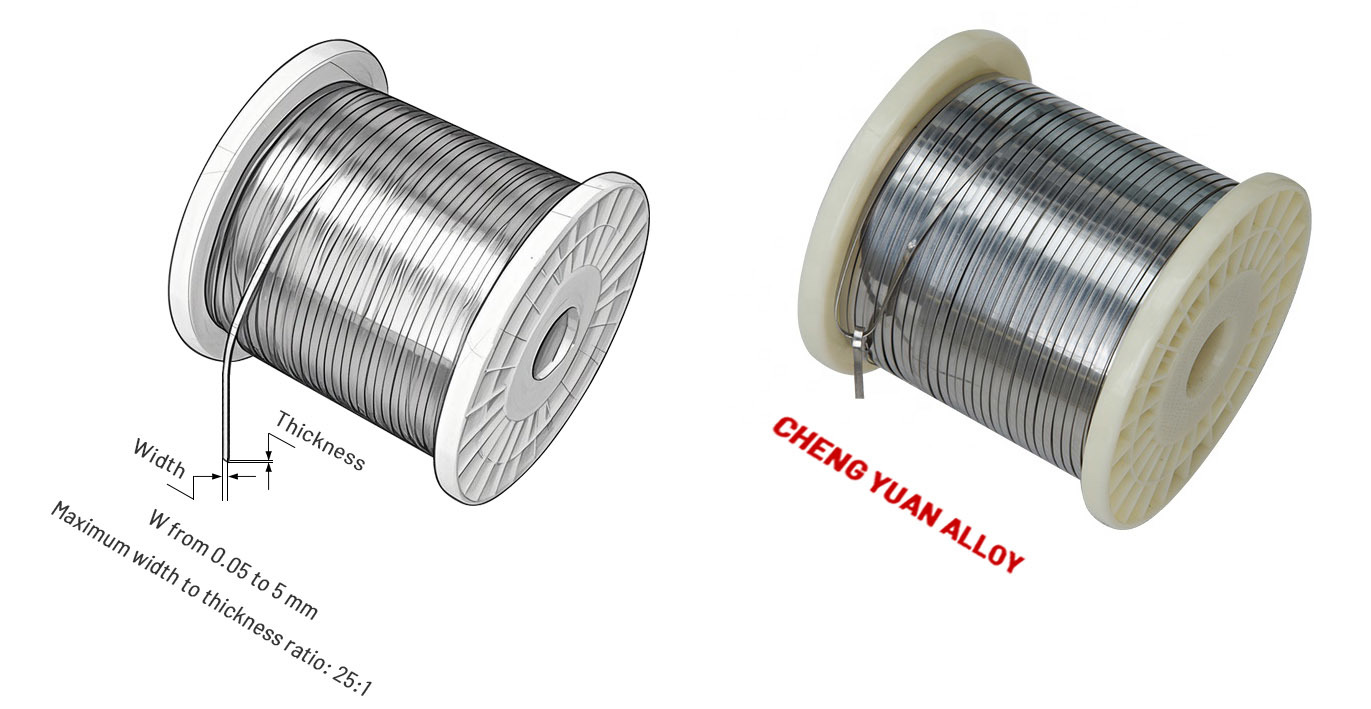
Heating alloy wire is an essential component in various industrial applications, particularly in the fields of metallurgy and energy. These wires are typically made from specific alloy compositions that provide excellent electrical conductivity, thermal resistance, and mechanical durability. Understanding the properties and applications of heating alloy wire can help professionals in these industries make informed decisions regarding their use.
Heating alloy wire is commonly used in resistance heating applications, where it converts electrical energy into heat through resistance. This process is crucial in numerous manufacturing processes, including metals processing, ceramics firing, and plastics production. The choice of alloy in heating wires significantly influences their performance, as different alloys possess varying resistivity, thermal expansion rates, and oxidation resistance.
Nickel alloys, in particular, have gained popularity in the production of heating alloy wire. These alloys typically demonstrate superior strength and stability at high temperatures, making them ideal for high-performance applications. They also exhibit excellent corrosion resistance, which is a critical factor in environments where wires may be exposed to harsh conditions.
When selecting a heating alloy wire, it's important to consider several factors such as the operating temperature, the environment in which the wire will be used, and the specific heating requirements of your application. For instance, some heating wires may perform better under high-temperature conditions, while others may excel in environments with high humidity or chemical exposure.
In addition to their functional advantages, heating alloy wires also contribute to energy efficiency in industrial processes. By effectively converting electrical energy into heat, these wires can help minimize energy consumption and reduce operational costs. This is particularly beneficial in industries where energy efficiency is a key concern, such as in manufacturing and processing plants.
Moreover, advancements in technology have led to the development of innovative heating alloy wires that offer enhanced performance characteristics. These new materials are designed to withstand extreme conditions and provide consistent heating performance over extended periods. As industries continue to evolve, the demand for high-quality heating alloy wires is expected to grow, making it crucial for professionals to stay informed about the latest developments in this field.
In conclusion, heating alloy wire plays a vital role in various industrial applications, particularly in metallurgy and energy sectors. By understanding the properties, applications, and advantages of heating alloy wire, professionals can make better decisions that enhance their operational efficiency and effectiveness. As the industry progresses, staying abreast of the latest trends and innovations in heating alloy wire will ensure that your operations remain competitive and successful.
SEO:
Related News

Cheng Yuan
Alloy Material
We look forward to working with you to jointly promote the development of China's alloy material industry.
Telephone
Email us
For more information, please leave your message below.