

The Role of Pure Nickel Sheets in Enhancing Corrosion Resistance
Release time:
2025-12-25
The Role of Pure Nickel Sheets in Enhancing Corrosion Resistance Introduction to Pure Nickel Sheets Pure nickel sheets have emerged as a crucial component in advanced industrial applications. Renowned for their exceptional corrosion resistance, these sheets are increasingly utilized across various sectors, from aerospace to oil and gas. In this article, we explore the defining characteristics of p
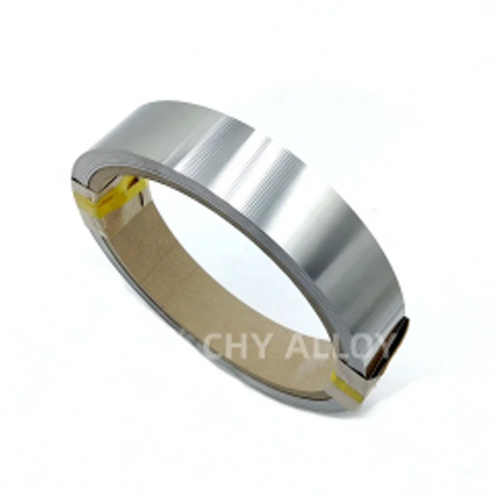
The Role of Pure Nickel Sheets in Enhancing Corrosion Resistance
Introduction to Pure Nickel Sheets
Pure nickel sheets have emerged as a crucial component in advanced industrial applications. Renowned for their exceptional corrosion resistance, these sheets are increasingly utilized across various sectors, from aerospace to oil and gas. In this article, we explore the defining characteristics of pure nickel, its advantages, and its essential role in enhancing corrosion resistance.
Understanding Corrosion: Causes and Impacts
Corrosion is a natural process that leads to the deterioration of materials, primarily metals, due to chemical reactions with their environment. This phenomenon can result in significant economic losses, structural failures, and safety hazards. Understanding the causes of corrosion is critical to mitigating its effects.
Types of Corrosion
Corrosion manifests in various forms, including:
- **Uniform Corrosion**: Affects the entire surface evenly; often seen in metals exposed to moisture.
- **Galvanic Corrosion**: Occurs when two dissimilar metals are in contact in a corrosive environment.
- **Pitting Corrosion**: Characterized by localized holes or pits, which can lead to severe structural damage.
- **Crevice Corrosion**: Develops in shielded areas where stagnant conditions exist.
The Economic Impact of Corrosion
The costs associated with corrosion are staggering. In industries like construction, automotive, and marine, corrosion-related failures can lead to extensive repair costs, production downtime, and even loss of life. Investing in corrosion-resistant materials like pure nickel sheets can significantly reduce these risks.
Properties of Pure Nickel
Pure nickel is a versatile metal with unique properties that make it an ideal choice for corrosion-resistant applications.
Corrosion Resistance
One of the standout features of pure nickel is its exceptional resistance to various corrosive environments, including acidic, alkaline, and saltwater conditions. This quality stems from its ability to form a protective oxide layer that inhibits further corrosion.
Thermal and Electrical Conductivity
In addition to its corrosion resistance, pure nickel exhibits excellent thermal and electrical conductivity. This property makes it suitable for applications where heat dissipation and electrical performance are critical.
Mechanical Strength
Pure nickel sheets offer impressive mechanical strength, enabling them to withstand significant physical stress without compromising structural integrity. This characteristic is vital for components exposed to harsh operating conditions.
Advantages of Using Pure Nickel Sheets
Incorporating pure nickel sheets into manufacturing processes presents numerous advantages.
Longevity and Durability
The longevity of products made from pure nickel is significantly enhanced due to its corrosion resistance. These sheets can endure harsh environments, making them ideal for long-term applications in various industries.
Cost-Effectiveness
While the initial investment in pure nickel sheets may be higher than alternative materials, the long-term cost savings from reduced maintenance and replacement expenses make them a cost-effective choice.
Versatility of Applications
Pure nickel sheets are used across various industries, including:
- **Aerospace**: For components exposed to extreme conditions.
- **Marine**: In shipbuilding and offshore structures to combat seawater corrosion.
- **Chemical Processing**: For tanks and piping systems where resistance to acidic environments is crucial.
Applications of Pure Nickel Sheets
The versatility of pure nickel sheets allows for a wide range of applications.
In the Aerospace Industry
In aerospace, the performance and reliability of components are paramount. Pure nickel sheets are used in parts that require high strength and corrosion resistance, such as turbine blades and fuel components.
In Chemical Processing Plants
Chemical processing facilities often deal with highly corrosive substances. Pure nickel sheets are used for lining tanks, piping, and valves to withstand the aggressive environments encountered in these settings.
In Marine Environments
Marine applications demand materials that can endure harsh conditions. Pure nickel is ideal for boat hulls, propellers, and other components exposed to seawater, providing unparalleled corrosion resistance.
In Electronics and Electrical Applications
Pure nickel sheets are utilized in electronics for connectors and other components where excellent conductivity and corrosion resistance are essential. Their reliability ensures consistent performance in electronic devices.
Comparative Analysis: Pure Nickel vs. Other Materials
To fully appreciate the advantages of pure nickel sheets, it is essential to compare them with other commonly used materials.
Pure Nickel vs. Stainless Steel
While stainless steel is widely recognized for its corrosion resistance, pure nickel significantly outperforms it in acidic environments. Pure nickel’s ability to handle aggressive chemicals makes it a preferred choice in specialized applications.
Pure Nickel vs. Aluminum
Aluminum is lightweight and resistant to corrosion but lacks the strength and durability of pure nickel. In demanding applications, pure nickel sheets provide enhanced performance and longevity.
Best Practices for Working with Pure Nickel Sheets
Successfully utilizing pure nickel sheets involves understanding best practices in handling and fabrication.
Cutting and Shaping Techniques
Due to their strength, pure nickel sheets require specific cutting techniques. Using high-speed steel tools and waterjet cutting methods can ensure clean edges and minimize material loss.
Welding Considerations
Welding pure nickel sheets requires careful consideration of the filler material and welding techniques to avoid compromising corrosion resistance. Techniques like TIG welding are often favored for their precision.
Environmental Considerations and Sustainability
As industries move towards sustainability, the role of materials like pure nickel becomes increasingly important.
Recyclability of Pure Nickel
One of the significant sustainability benefits of pure nickel is its recyclability. Recycling processes for nickel are well-established, allowing for the reduction of waste and conservation of resources.
Reducing Environmental Impact
Using pure nickel sheets in manufacturing processes not only extends the lifespan of products but also reduces the environmental impact associated with frequent replacements and repairs.
Future Trends in Pure Nickel Applications
As technology advances, the applications of pure nickel sheets are expected to expand.
Emerging Technologies
Innovations in industries like renewable energy and aerospace may lead to increased demand for pure nickel due to its unique properties that meet the evolving challenges of these sectors.
Research and Development
Ongoing research into enhancing the properties of pure nickel and developing new alloys will likely yield exciting opportunities for its use in advanced applications.
Frequently Asked Questions (FAQs)
1. What industries primarily use pure nickel sheets?
Pure nickel sheets are predominantly used in aerospace, chemical processing, marine applications, and electronics manufacturing.
2. How does pure nickel compare to stainless steel in terms of corrosion resistance?
Pure nickel outperforms stainless steel in acidic environments, making it a better choice for applications exposed to aggressive chemicals.
3. Can pure nickel sheets be recycled?
Yes, pure nickel is highly recyclable, contributing to resource conservation and reduced environmental impact.
4. What are the best methods for cutting pure nickel sheets?
High-speed steel tools and waterjet cutting are recommended for achieving clean cuts in pure nickel sheets.
5. What welding techniques are suitable for pure nickel?
TIG welding is commonly used for pure nickel sheets, as it provides precision and minimizes the risk of compromising corrosion resistance.
Conclusion
Pure nickel sheets play a pivotal role in enhancing corrosion resistance across various industries. With their unique properties, including exceptional strength, thermal and electrical conductivity, and unrivaled durability, they offer substantial advantages over alternative materials. As industries increasingly recognize the importance of corrosion resistance, the demand for pure nickel sheets is likely to rise. Investing in these materials not only ensures longevity and reliability but also contributes to sustainable practices through their recyclability. Embracing pure nickel technology can lead to innovative solutions in combating corrosion challenges, ultimately fostering safer and more efficient industrial operations.
SEO:
Related News

Cheng Yuan
Alloy Material
We look forward to working with you to jointly promote the development of China's alloy material industry.
Telephone
Email us
For more information, please leave your message below.