

Understanding Heating Alloy Wire: Key Insights for Professionals
Release time:
2026-01-15
Heating alloy wire plays a crucial role in the metallurgy and energy industries, particularly in applications requiring high-temperature resistance and excellent conductivity. These wires are primarily composed of nickel-based alloys, which are known for their ability to withstand extreme temperatures and corrosive environments. This makes them an ideal choice for a variety of heating applications
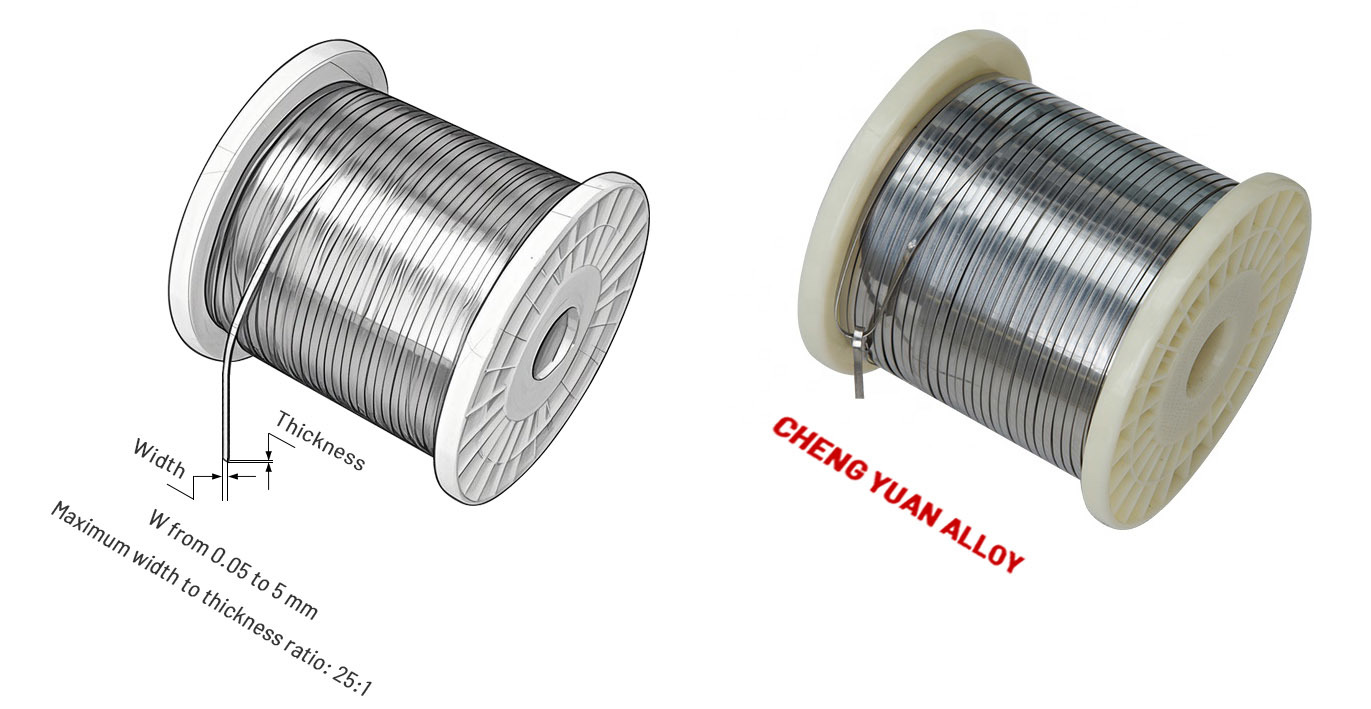
Heating alloy wire plays a crucial role in the metallurgy and energy industries, particularly in applications requiring high-temperature resistance and excellent conductivity. These wires are primarily composed of nickel-based alloys, which are known for their ability to withstand extreme temperatures and corrosive environments. This makes them an ideal choice for a variety of heating applications, including industrial furnaces, heaters, and electrical components.
One of the fundamental properties of heating alloy wire is its ability to maintain structural integrity under high temperatures. Typically, these wires can operate efficiently at temperatures exceeding 1000°C (1832°F), making them suitable for applications like resistance heating and thermocouples. The alloy composition often includes elements such as chromium and iron, which enhance the wire's mechanical strength and oxidation resistance.
In the context of metallurgy, heating alloy wire is often utilized for processes such as welding and soldering. Its high melting point and thermal stability allow for effective joining of metal components. The wire is designed to provide consistent heat distribution, ensuring that the melting process occurs evenly, which is crucial for maintaining the quality of the finished product.
Additionally, the corrosion resistance of heating alloy wire is a significant advantage. Nickel alloys, for instance, exhibit excellent resistance to oxidizing and reducing atmospheres. This property is particularly beneficial in energy applications where exposure to harsh chemical environments is common. By selecting the appropriate heating alloy wire, professionals can improve the longevity and reliability of their systems.
When choosing heating alloy wire, several factors must be considered. The specific requirements of the application, such as maximum operating temperature, required conductivity, and environmental conditions, will guide the selection process. It is also essential to evaluate the mechanical properties of the wire, including tensile strength and ductility, to ensure it meets the demands of the intended use.
Lastly, the manufacturing process of heating alloy wire is important to understand. The wire is typically produced through processes such as drawing and annealing, which influence its final properties. Ensuring that the wire adheres to industry standards and specifications is critical for achieving optimal performance.
In conclusion, heating alloy wire is an essential component in various industrial applications, particularly within the metallurgy and energy sectors. Its outstanding properties, including high-temperature resistance, mechanical strength, and corrosion resistance, make it a preferred choice for professionals seeking reliable and efficient solutions. Understanding the nuances of heating alloy wire not only aids in making informed decisions but also enhances the overall performance of industrial operations.
SEO:

Cheng Yuan
Alloy Material
We look forward to working with you to jointly promote the development of China's alloy material industry.
Telephone
Email us
For more information, please leave your message below.