

Understanding Heating Alloy Wires: Properties, Applications, and Benefits
Release time:
2026-02-27
Heating alloy wires, particularly those made from nickel alloys, are essential components in a variety of applications due to their unique properties. These wires are designed to endure high temperatures while maintaining their structural integrity, making them ideal for use in heating elements, resistors, and thermocouples. One of the primary characteristics of heating alloy wires is their abilit
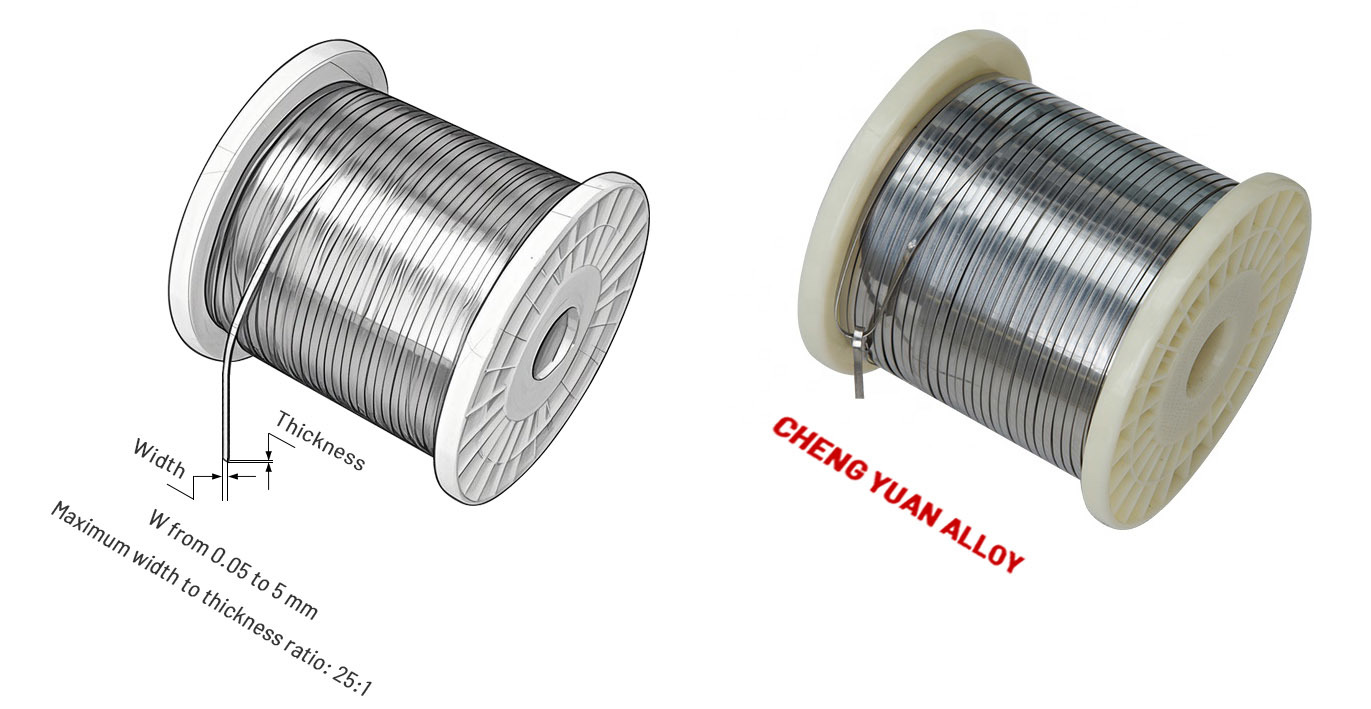
Heating alloy wires, particularly those made from nickel alloys, are essential components in a variety of applications due to their unique properties. These wires are designed to endure high temperatures while maintaining their structural integrity, making them ideal for use in heating elements, resistors, and thermocouples.
One of the primary characteristics of heating alloy wires is their ability to resist oxidation and corrosion at elevated temperatures. This is particularly important in industries where the wire may be exposed to harsh environments. Nickel alloys, in particular, exhibit excellent thermal stability and can withstand extreme conditions, allowing them to perform consistently over time.
The manufacturing process of heating alloy wires involves precise control over the composition and processing conditions to achieve the desired electrical and thermal properties. The alloys are typically composed of nickel, chromium, and other elements that enhance their durability and conductivity. As a result, heating alloy wires can provide efficient heating solutions in applications such as industrial furnaces, heating appliances, and other energy-related technologies.
Furthermore, heating alloy wires are valued for their versatility. They can be fabricated into various forms, including coils, strips, and rods, catering to different design requirements. This adaptability makes them suitable for custom applications in diverse industries, including aerospace, automotive, and chemical processing.
The efficiency of heating alloy wires is another aspect worth noting. The ability to generate heat effectively while utilizing minimal energy contributes to overall operational cost savings for businesses. This efficiency is particularly advantageous in applications that require consistent and reliable heating, such as in electronic devices and heating systems.
Moreover, the use of heating alloy wires can enhance safety in industrial environments. Their ability to maintain stable performance under high temperatures reduces the risk of overheating and potential hazards, making them a preferred choice for various heating applications.
In summary, heating alloy wires, especially those made from nickel alloys, are an indispensable component in the metallurgy and energy industries. Their unique properties, including high-temperature resistance, durability, and versatility, make them suitable for a wide range of applications. By understanding the significance of these materials, professionals in the industry can make informed decisions about their use in various heating solutions.
SEO:
Related News

Cheng Yuan
Alloy Material
We look forward to working with you to jointly promote the development of China's alloy material industry.
Telephone
Email us
For more information, please leave your message below.