

The Impact of Pure Nickel Sheets on Modern Metallurgy: A Comprehensive Exploration
Release time:
2026-03-22
The Impact of Pure Nickel Sheets on Modern Metallurgy Table of Contents 1. Introduction to Pure Nickel Sheets 2. Unique Properties of Pure Nickel Sheets 3. Applications of Pure Nickel Sheets in Various Industries 4. Advantages of Using Pure Nickel Sheets 5. Role of Pure Nickel Sheets in Modern Metallurgy 6. Sustainability in Nickel Production and Usage 7. The Future of
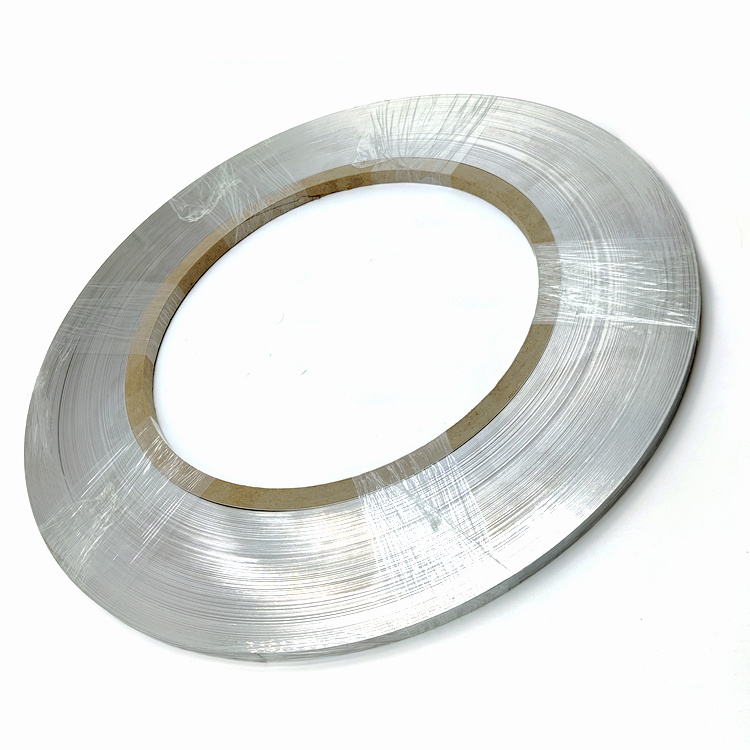
The Impact of Pure Nickel Sheets on Modern Metallurgy
Table of Contents
- 1. Introduction to Pure Nickel Sheets
- 2. Unique Properties of Pure Nickel Sheets
- 3. Applications of Pure Nickel Sheets in Various Industries
- 4. Advantages of Using Pure Nickel Sheets
- 5. Role of Pure Nickel Sheets in Modern Metallurgy
- 6. Sustainability in Nickel Production and Usage
- 7. The Future of Pure Nickel Sheets in Metallurgical Practices
- 8. Frequently Asked Questions (FAQs)
- 9. Conclusion
1. Introduction to Pure Nickel Sheets
The advent of pure nickel sheets has marked a pivotal point in modern metallurgy. Nickel, a silvery-white metal, has long been recognized for its exceptional properties, making it a crucial element in various applications. Pure nickel sheets are produced through advanced metallurgical processes, ensuring high purity and enhanced performance. As industries evolve, the demand for materials that offer superior strength, corrosion resistance, and durability continues to rise. Pure nickel sheets meet these demands, playing a significant role in shaping the future of metallurgical practices.
2. Unique Properties of Pure Nickel Sheets
Understanding the unique properties of pure nickel sheets is essential to appreciate their impact on metallurgy. These properties include:
2.1 Corrosion Resistance
One of the standout features of pure nickel is its remarkable resistance to corrosion. Nickel forms a protective oxide layer when exposed to air, preventing further oxidation. This characteristic makes it ideal for applications in harsh environments, such as chemical processing and marine applications.
2.2 High Thermal and Electrical Conductivity
Pure nickel sheets exhibit excellent thermal and electrical conductivity. This property is particularly valuable in applications requiring efficient heat transfer and electrical performance, such as in aerospace and automotive industries.
2.3 Mechanical Strength
Nickel sheets are known for their high tensile strength, which allows them to withstand significant stress and mechanical loads. This robustness is crucial in manufacturing components that require durability and reliability.
2.4 Ductility and Malleability
Pure nickel is highly ductile and malleable, enabling it to be easily formed into various shapes without losing its essential properties. This versatility is advantageous in manufacturing processes where intricate shapes are required.
3. Applications of Pure Nickel Sheets in Various Industries
The applications of pure nickel sheets span across multiple industries, showcasing their versatility and effectiveness.
3.1 Aerospace Industry
In the aerospace sector, the demand for lightweight yet strong materials is paramount. Pure nickel sheets are utilized in aircraft components, contributing to enhanced performance and fuel efficiency. Their resistance to high temperatures and corrosive environments makes them ideal for critical applications.
3.2 Chemical Processing
The chemical processing industry often deals with corrosive substances. Pure nickel sheets provide the necessary resistance to chemical attacks, ensuring longevity and safety in equipment such as reactors, heat exchangers, and storage tanks.
3.3 Electronics and Electrical Applications
Pure nickel’s excellent electrical conductivity makes it a popular choice in electronic components, including connectors and circuit boards. Its ability to withstand high temperatures further enhances its suitability in electronic applications.
3.4 Marine Applications
Marine environments expose materials to saltwater and other corrosive elements. Pure nickel sheets are widely used in shipbuilding and offshore structures due to their exceptional resistance to corrosion, ensuring the longevity and reliability of marine equipment.
4. Advantages of Using Pure Nickel Sheets
The integration of pure nickel sheets in metallurgical applications offers several advantages that contribute to their increasing popularity.
4.1 Enhanced Performance
Pure nickel sheets enhance the overall performance of various products due to their unique properties. Their strength, combined with resistance to extreme conditions, ensures that components function optimally in demanding environments.
4.2 Cost-Effectiveness
Although the initial cost of pure nickel sheets may be higher than alternatives, their durability and longevity lead to reduced maintenance costs and fewer replacements over time. This cost-effectiveness makes them a wise investment for manufacturers.
4.3 Improved Safety
The use of pure nickel sheets in critical applications, such as chemical processing and aerospace, enhances safety. Their ability to resist corrosion and withstand high temperatures reduces the risk of equipment failure and accidents.
4.4 Versatility in Manufacturing
Pure nickel sheets can be easily processed and fabricated into various shapes, making them suitable for a wide range of applications. This versatility allows manufacturers to innovate and create complex designs that meet specific requirements.
5. Role of Pure Nickel Sheets in Modern Metallurgy
The role of pure nickel sheets in modern metallurgy cannot be overstated. Their influence extends beyond individual applications to impact entire metallurgical processes.
5.1 Alloy Development
Pure nickel is a key component in the development of various alloys, such as Inconel and Monel. These nickel-based alloys possess enhanced properties that cater to specific industrial needs, further expanding the applications of nickel in metallurgy.
5.2 Influencing Material Properties
The incorporation of pure nickel sheets in metallurgical practices influences the overall properties of metallic components. By enhancing strength, ductility, and corrosion resistance, nickel ensures that materials meet the rigorous demands of modern industry.
5.3 Advancements in Metallurgical Techniques
The increasing use of pure nickel sheets has driven advancements in metallurgical techniques, including welding, casting, and forming. These innovations enable the creation of more complex and high-performance products.
6. Sustainability in Nickel Production and Usage
As industries focus on sustainability, understanding the environmental impact of nickel production is crucial. The production of pure nickel sheets involves processes that can be optimized for sustainability.
6.1 Responsible Sourcing
Responsible sourcing of nickel is vital in reducing the environmental footprint. Many companies are adopting practices that ensure sustainable mining and production methods, minimizing ecological damage.
6.2 Recycling and Reusability
Nickel is highly recyclable, and the ability to repurpose pure nickel sheets contributes to sustainability efforts. Recycling reduces the need for new material extraction, conserving resources and energy.
7. The Future of Pure Nickel Sheets in Metallurgical Practices
The future of pure nickel sheets in metallurgy looks promising, with ongoing research and development paving the way for new applications.
7.1 Innovations in Material Science
Advancements in material science are expected to enhance the properties of pure nickel sheets further. Research is focused on improving performance characteristics, such as strength-to-weight ratios and resistance to extreme environments.
7.2 Expanding Applications
As industries evolve, the demand for innovative materials is on the rise. Pure nickel sheets are likely to find new applications in emerging fields such as renewable energy, electric vehicles, and advanced manufacturing technologies.
8. Frequently Asked Questions (FAQs)
8.1 What are pure nickel sheets used for?
Pure nickel sheets are used in various applications, including aerospace, electronics, chemical processing, and marine environments, due to their strength, corrosion resistance, and excellent conductivity.
8.2 How are pure nickel sheets manufactured?
Pure nickel sheets are manufactured through processes that ensure high purity, including electrolysis and reduction methods. These processes result in sheets with enhanced mechanical and physical properties.
8.3 Why is nickel important in metallurgy?
Nickel is essential in metallurgy because it enhances the properties of alloys, improves corrosion resistance, and contributes to the development of advanced materials for various industrial applications.
8.4 How does nickel recycling work?
Nickel recycling involves collecting scrap nickel materials, processing them to remove impurities, and reconstituting them into new products. This process helps conserve resources and reduce environmental impact.
8.5 What are the environmental impacts of nickel production?
Nickel production can have environmental impacts, including habitat destruction and pollution. However, responsible sourcing and recycling practices are being implemented to mitigate these effects.
9. Conclusion
The impact of pure nickel sheets on modern metallurgy is profound and multifaceted. Their unique properties, versatility, and role in advancing metallurgical techniques make them indispensable in various industries. As we look to the future, ongoing research and innovations in pure nickel applications will likely lead to even more significant advancements in material science and engineering. Embracing the potential of pure nickel sheets is essential for industries aiming to enhance performance, ensure safety, and promote sustainability in their operations.
SEO:
Related News

Cheng Yuan
Alloy Material
We look forward to working with you to jointly promote the development of China's alloy material industry.
Telephone
Email us
For more information, please leave your message below.