

How to Test the Quality of Pure Nickel Sheets: A Comprehensive Guide
Release time:
2026-08-17
How to Test the Quality of Pure Nickel Sheets Introduction to Pure Nickel Sheets Pure nickel sheets are essential materials in various industrial applications, renowned for their exceptional resistance to corrosion, high-temperature stability, and excellent electrical conductivity. Understanding how to test the quality of these sheets is crucial for manufacturers, engineers, and buyers alike. In
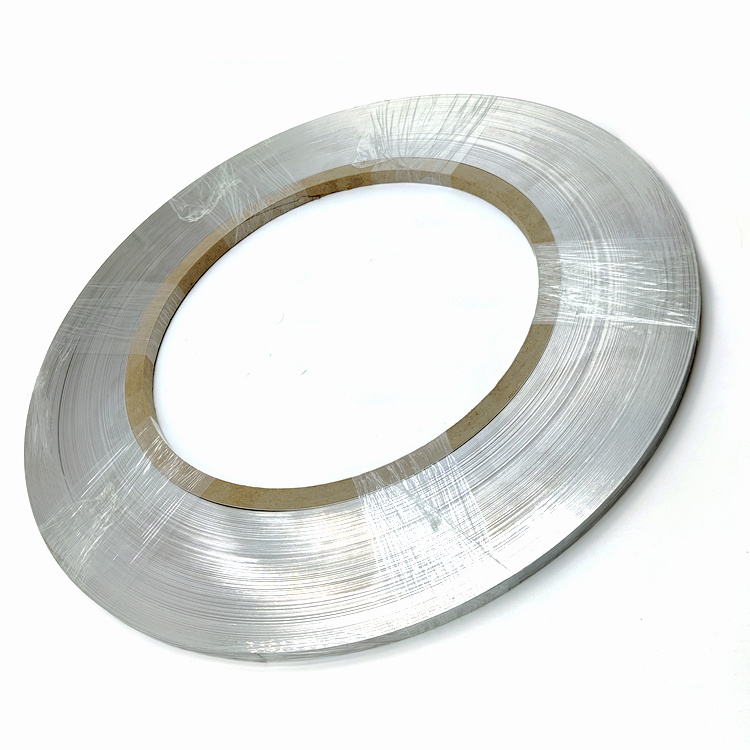
How to Test the Quality of Pure Nickel Sheets
Introduction to Pure Nickel Sheets
Pure nickel sheets are essential materials in various industrial applications, renowned for their exceptional resistance to corrosion, high-temperature stability, and excellent electrical conductivity. Understanding how to test the quality of these sheets is crucial for manufacturers, engineers, and buyers alike. In this article, we will explore various methods and techniques to assess the quality of pure nickel sheets, providing you with the knowledge necessary to make informed decisions in your materials procurement and usage.
Importance of Quality Testing for Pure Nickel Sheets
Quality testing of pure nickel sheets is vital for several reasons:
1. **Ensuring Material Integrity**: Pure nickel's properties can significantly change under different conditions. Testing helps ensure that the sheets meet required specifications.
2. **Preventing Failures**: Using substandard materials in critical applications can lead to catastrophic failures, resulting in downtime and financial losses.
3. **Compliance with Standards**: Many industries require materials to meet specific standards. Testing verifies compliance with these requirements, ensuring that your products are safe and reliable.
Common Applications of Pure Nickel Sheets
Understanding where pure nickel sheets are used can further emphasize the importance of quality testing. Common applications include:
- **Aerospace Components**: Nickel sheets are commonly used in aerospace for their high strength-to-weight ratio.
- **Marine Equipment**: The corrosion resistance of nickel makes it ideal for marine applications.
- **Electrical Components**: Due to its excellent conductivity, nickel sheets are utilized in various electrical applications.
- **Chemical Processing**: Nickel’s resistance to harsh chemicals makes it suitable for chemical processing equipment.
Key Characteristics of Quality Pure Nickel Sheets
Before diving into testing methods, it's essential to understand what constitutes quality in pure nickel sheets. Key characteristics include:
1. **Purity Level**: High-grade nickel typically contains at least 99.5% nickel.
2. **Mechanical Properties**: These include tensile strength, ductility, and yield strength, which are crucial for performance.
3. **Corrosion Resistance**: This property determines how well the material withstands various corrosive environments.
Methods for Testing the Quality of Pure Nickel Sheets
Visual Inspection
The first step in assessing the quality of pure nickel sheets is a thorough visual inspection.
1. **Surface Finish**: Examine the surface for any imperfections, such as scratches, dents, or discoloration, which can indicate poor quality.
2. **Dimensions**: Check the thickness and dimensions to ensure they conform to specifications.
While visual inspection is a preliminary method, it can provide valuable initial insights into the sheet's quality.
Chemical Analysis
Chemical analysis is a definitive way to determine the purity of nickel sheets. Common techniques include:
1. **X-Ray Fluorescence (XRF)**: This non-destructive method allows for the rapid identification of elemental composition.
2. **Atomic Absorption Spectroscopy (AAS)**: AAS can quantify specific elements, providing a clear picture of purity levels.
Both methods help ensure that the nickel sheets meet industry standards for purity.
Mechanical Testing
Mechanical testing assesses the physical properties of pure nickel sheets:
1. **Tensile Testing**: This measures the material's tensile strength and elongation, providing insights into its durability.
2. **Hardness Testing**: Methods like Rockwell or Brinell hardness tests help determine the resistance of the material to deformation.
3. **Impact Testing**: This test evaluates the material's resistance to shock loading, crucial for applications subject to dynamic loads.
Each of these tests provides critical information about the mechanical performance of the nickel sheets.
Corrosion Testing
Given the importance of corrosion resistance in many applications, corrosion testing is essential. Common methods include:
1. **Salt Spray Testing**: This accelerated test evaluates how materials withstand corrosive environments.
2. **Electrochemical Testing**: Techniques like potentiodynamic polarization can provide insights into the corrosion rates and resistance of nickel sheets.
These tests help assess how well the nickel sheets will perform in real-world conditions.
Evaluating Test Results: Understanding Quality Metrics
After conducting various tests, evaluating the results is critical. Key metrics to consider include:
- **Percentage of Purity**: This should meet or exceed 99.5% for high-quality nickel.
- **Tensile Strength Values**: Ensure that these values meet industry standards for the intended application.
- **Corrosion Rates**: Compare the corrosion rates against acceptable thresholds for specific environments.
Understanding these metrics allows for better decision-making when selecting nickel sheets.
Best Practices for Ensuring Quality in Pure Nickel Sheets
To ensure the quality of pure nickel sheets, consider the following best practices:
1. **Source from Reputable Suppliers**: Always choose suppliers with a proven track record of quality.
2. **Request Certificates of Analysis**: These documents provide proof of compliance with chemical and mechanical specifications.
3. **Conduct Regular Audits**: Regular evaluations of materials and suppliers can help maintain quality over time.
Common Challenges in Testing Pure Nickel Sheets
While testing is crucial, several challenges can arise:
1. **Variability in Material Composition**: Different batches may have varying purity levels, complicating assessments.
2. **Equipment Calibration**: Ensuring that testing equipment is calibrated correctly is vital for accurate results.
3. **Environmental Factors**: Conditions during testing can influence results, necessitating controlled environments.
Understanding these challenges can help mitigate risks and improve testing outcomes.
FAQs: Your Questions Answered
1. What is the minimum purity level for nickel sheets to be considered high quality?
High-quality nickel sheets should have a purity level of at least 99.5%.
2. How often should I test pure nickel sheets?
Testing frequency depends on production cycles and usage, but conducting tests with each batch is advisable for critical applications.
3. Can visual inspection alone determine the quality of nickel sheets?
While visual inspection is a good first step, it should be supplemented with chemical and mechanical testing for a comprehensive assessment.
4. What are the most reliable testing methods for nickel sheets?
Chemical analysis methods, such as XRF and AAS, along with mechanical testing, provide the most reliable data on nickel sheet quality.
5. How can I find a reputable supplier for pure nickel sheets?
Research suppliers, read customer reviews, and request references or certifications to ensure reliability.
Conclusion
Testing the quality of pure nickel sheets is essential to ensure their suitability for various applications, from aerospace to chemical processing. By employing a combination of visual inspections, chemical analyses, mechanical tests, and corrosion evaluations, you can confidently assess the quality of your materials. Understanding key characteristics, best practices, and common challenges in testing will empower you to make informed decisions in your procurement processes. With diligence and proper testing protocols, you can ensure that your pure nickel sheets meet the highest industry standards, thus safeguarding the integrity and success of your projects.
SEO:
Related News

Cheng Yuan
Alloy Material
We look forward to working with you to jointly promote the development of China's alloy material industry.
Telephone
Email us
For more information, please leave your message below.