

Understanding Heating Alloy Wire: Characteristics and Applications in Nickel Alloys
Release time:
2026-08-18
Heating alloy wire is a vital component in various industrial applications, particularly within the metallurgy and energy sectors. Primarily composed of nickel and other alloying elements, heating alloy wire is engineered to withstand high temperatures while maintaining structural integrity and resistance to oxidation. This unique combination of properties makes it an ideal choice for numerous app
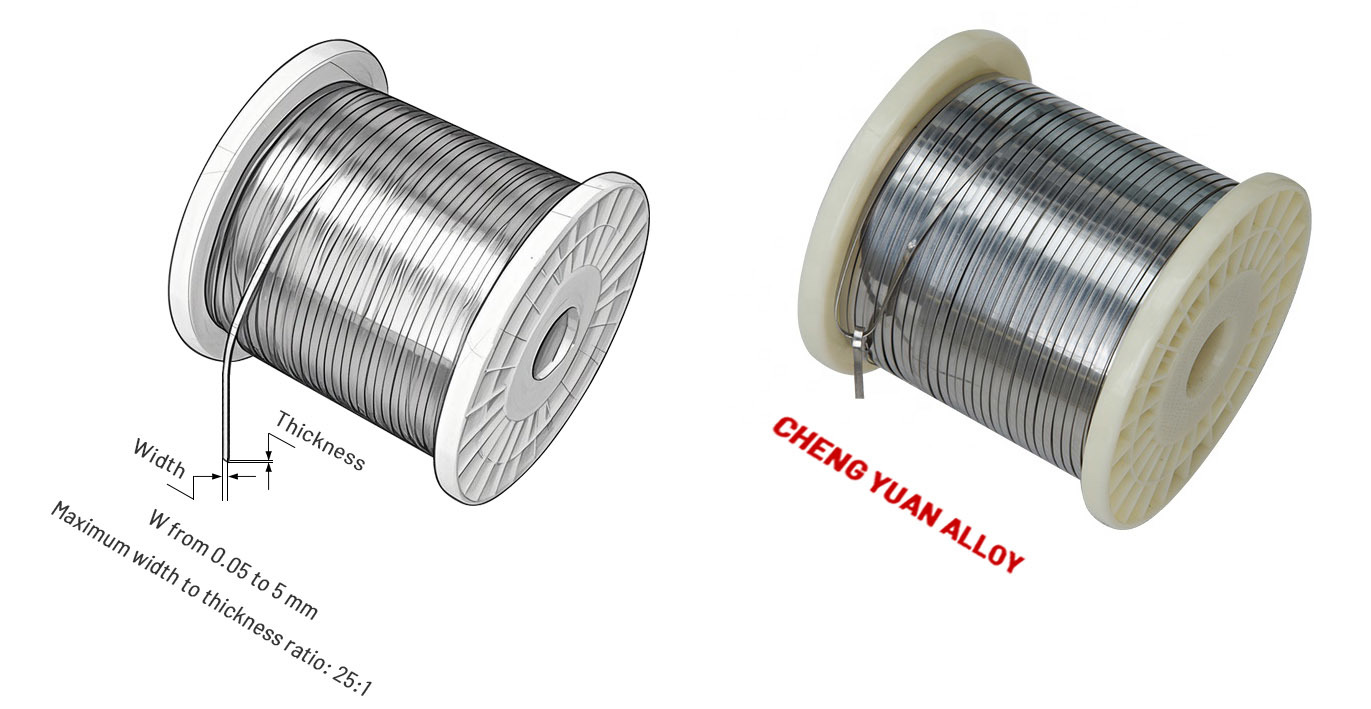
One of the primary characteristics of heating alloy wire is its ability to generate heat efficiently. The resistance of the wire to electrical flow produces thermal energy, making it suitable for use in heating elements for industrial furnaces, ovens, and various heating appliances. The wire's high melting point and thermal stability ensure it can operate effectively in extreme environments without degrading.
Nickel alloys, which form a significant part of the composition of heating alloy wires, offer additional benefits, including excellent corrosion resistance and mechanical strength. This makes heating alloy wire particularly suitable for applications in harsh environments, such as chemical processing plants or oil refineries, where exposure to corrosive substances can lead to rapid deterioration of less durable materials.
The manufacturing process of heating alloy wire involves precise control of alloy composition and processing techniques to achieve the desired balance of electrical resistivity, thermal stability, and mechanical properties. Various grades of heating alloy wire exist, tailored for specific applications, and understanding the appropriate grade is crucial for optimizing performance and longevity.
In addition to heating elements, heating alloy wire finds applications in resistance welding, automotive components, and aerospace engineering. The versatility of heating alloy wire extends to its use in thermocouples and temperature sensors, where it aids in temperature measurement by providing reliable data in extreme conditions.
Furthermore, the growing demand for energy-efficient and durable heating solutions is driving innovation in the development of advanced heating alloy wire. Manufacturers are continuously exploring new alloy compositions and processing methods to enhance performance characteristics, reduce energy consumption, and improve overall efficiency.
In conclusion, heating alloy wire plays a pivotal role in various industries, especially in applications involving nickel alloys. Its unique properties, including high thermal stability and resistance to corrosion, make it a reliable choice for high-temperature environments. As the demand for advanced heating solutions increases, professionals in the metallurgy and energy sectors must stay informed about the latest developments in heating alloy wire technology to leverage its benefits effectively. Understanding these characteristics will enable better decision-making in material selection, ensuring optimal performance and longevity for industrial applications.
SEO:
Related News

Cheng Yuan
Alloy Material
We look forward to working with you to jointly promote the development of China's alloy material industry.
Telephone
Email us
For more information, please leave your message below.