

Challenges and Solutions in Working with Pure Nickel Sheets: Comprehensive Insights for Industry Professionals
Release time:
2026-10-04
Understanding Pure Nickel Sheets: Properties and Applications Pure nickel sheets are renowned for their excellent corrosion resistance, high thermal conductivity, and exceptional mechanical properties. These characteristics make them a popular choice across various industries, including aerospace, electronics, and chemical processing. In this section, we will explore the unique properties of pure
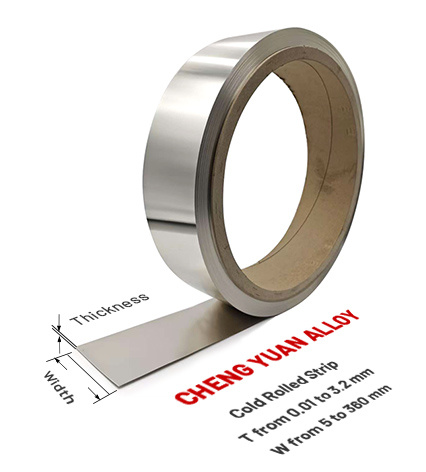
Understanding Pure Nickel Sheets: Properties and Applications
Pure nickel sheets are renowned for their excellent corrosion resistance, high thermal conductivity, and exceptional mechanical properties. These characteristics make them a popular choice across various industries, including aerospace, electronics, and chemical processing. In this section, we will explore the unique properties of pure nickel sheets that contribute to their widespread use.
The Alluring Properties of Pure Nickel Sheets
Pure nickel boasts several advantageous properties:
1. **Corrosion Resistance**: Nickel exhibits outstanding resistance to oxidation and corrosion, making it ideal for use in harsh environments.
2. **Ductility**: The material’s high ductility allows for easy shaping and forming, essential for producing intricate components.
3. **Thermal and Electrical Conductivity**: Pure nickel is an excellent conductor, making it suitable for electrical applications.
4. **High Melting Point**: With a melting point of approximately 1455°C, nickel is capable of maintaining structural integrity at elevated temperatures.
5. **Magnetic Properties**: Nickel sheets can be magnetized, providing additional utility in certain applications.
Common Applications of Pure Nickel Sheets
The versatility of pure nickel sheets leads to their use in numerous applications, including:
- **Aerospace Components**: Used in turbine blades and engine casings due to their high-temperature strength.
- **Electrical Connections**: Essential for providing reliable and efficient electrical conductors.
- **Chemical Processing Equipment**: Employed in reactors, heat exchangers, and storage tanks due to their corrosion resistance.
- **Medical Devices**: Utilized in implants and surgical tools for their biocompatibility.
Challenges Faced in Working with Pure Nickel Sheets
While pure nickel sheets offer several benefits, they also present unique challenges that require attention:
1. Fabrication Difficulties
Working with pure nickel sheets can be challenging during fabrication processes. The material's hardness and ductility can lead to issues such as:
- **Deformation**: Excessive force during machining can result in deformation, compromising the integrity of the sheet.
- **Work Hardening**: Nickel tends to work harden, making it more difficult to cut and shape as the material becomes harder during processing.
2. Cost Considerations
The price of pure nickel can fluctuate due to market demand and mining conditions. This volatility can impact project budgets and overall profitability:
- **Raw Material Costs**: The expense of acquiring high-quality nickel sheets can be significant, especially for large-scale projects.
- **Manufacturing Costs**: Specialized equipment and techniques may be required to process nickel, driving up production costs.
3. Joining Techniques
Joining pure nickel sheets can be problematic due to their unique physical properties. Common issues include:
- **Welding Challenges**: Nickel can be difficult to weld, which may lead to weak joints if not handled properly.
- **Brittleness**: Improper heat treatment can cause brittleness in welded areas, impacting the overall performance of the completed product.
4. Surface Finishing Issues
Achieving a high-quality surface finish on pure nickel sheets is essential for aesthetic and functional purposes. Challenges include:
- **Surface Oxidation**: Nickel sheets may oxidize during machining, leading to a poor finish.
- **Contamination**: The presence of foreign substances can affect the quality of coatings and surface treatments.
Innovative Solutions to Overcome Challenges
Despite these challenges, innovative solutions can help professionals effectively work with pure nickel sheets.
1. Advanced Fabrication Techniques
Implementing advanced fabrication techniques can optimize processing:
- **Controlled Machining**: Utilizing CNC machines with precise control can minimize deformation and enhance accuracy.
- **Heat Treatment**: Preheating the material before machining can reduce work hardening and improve the ease of shaping.
2. Economic Material Sourcing
To address cost challenges, consider the following strategies:
- **Bulk Purchasing**: Buying in bulk can lead to discounted prices from suppliers.
- **Supplier Relationships**: Establishing strong relationships with reliable suppliers can help secure more favorable pricing.
3. Expert Welding Practices
Utilizing expert welding practices can improve joint strength and reliability:
- **Pre-Weld Heat Treatment**: Applying pre-weld heat treatment can enhance weldability and reduce the risk of brittleness.
- **Appropriate Filler Materials**: Using compatible filler materials during welding ensures a stronger bond and minimizes defects.
4. Surface Treatment Solutions
To achieve a superior surface finish, consider implementing surface treatment solutions:
- **Electropolishing**: This technique can enhance the surface finish and improve corrosion resistance.
- **Protective Coatings**: Applying protective coatings can mitigate oxidation and contamination during processing.
Best Practices for Working with Pure Nickel Sheets
Implementing best practices can further enhance efficiency and performance in working with pure nickel sheets.
1. Thorough Material Assessment
Before beginning any project, conduct a thorough assessment of the nickel sheets to identify any potential issues. This includes examining the material specifications and understanding its properties.
2. Employing the Right Tools
Using the appropriate tools designed specifically for nickel processing can prevent unexpected challenges. High-quality cutting tools and welding equipment tailored for nickel should be prioritized.
3. Continuous Training and Skill Development
Investing in training for personnel can improve the quality of work. Keeping the workforce updated on the latest techniques and technologies ensures optimal performance.
4. Regular Quality Control Checks
Implementing regular quality control checks throughout the fabrication process can help catch issues early, ensuring that the final product meets quality standards.
Future Trends in Pure Nickel Sheet Applications
As technology advances, the application of pure nickel sheets is evolving. Some emerging trends include:
1. Increased Demand in Renewable Energy
The shift towards renewable energy sources is driving demand for pure nickel in battery production and energy storage systems.
2. Innovations in Alloy Development
Research into nickel alloys may lead to new materials with enhanced properties suited for specialized applications, offering further opportunities for industry professionals.
3. Growth in Electric Vehicle Production
With the rise of electric vehicles, the need for efficient and durable materials is increasing, placing pure nickel sheets in high demand for their conductivity and resistance characteristics.
Conclusion
Working with pure nickel sheets presents a unique set of challenges, from fabrication difficulties to cost considerations. However, by employing innovative solutions and adhering to best practices, industry professionals can effectively navigate these obstacles. Understanding the properties, applications, and potential future trends of pure nickel can lead to more efficient processes and improved product quality. As technology continues to advance, embracing these insights will position businesses for success in the increasingly competitive landscape of metallurgy and materials engineering.
FAQs about Pure Nickel Sheets
1. What are the primary uses of pure nickel sheets?
Pure nickel sheets are primarily used in aerospace components, electrical connections, chemical processing equipment, and medical devices due to their unique properties.
2. How can I improve the weldability of pure nickel sheets?
Improving weldability can be achieved through pre-weld heat treatment, using appropriate filler materials, and ensuring proper welding techniques are employed.
3. What are the cost factors associated with pure nickel sheets?
Cost factors include raw material prices, manufacturing expenses related to specialized processing, and potential waste during fabrication.
4. What are effective surface treatment methods for pure nickel sheets?
Electropolishing and applying protective coatings are effective surface treatment methods that enhance both appearance and corrosion resistance.
5. How can I prevent deformation when machining pure nickel sheets?
Using controlled machining techniques and preheating the material can help minimize deformation during the machining process.
SEO:
Related News

Cheng Yuan
Alloy Material
We look forward to working with you to jointly promote the development of China's alloy material industry.
Telephone
Email us
For more information, please leave your message below.