

Understanding Heating Alloy Wire: Applications and Properties
Release time:
2026-02-09
--- Heating alloy wire, often composed of materials such as nickel and other metals, plays a fundamental role in numerous industrial applications where high temperatures and resistance to oxidation are paramount. Typically utilized in heating elements, these wires are engineered to function effectively in environments where traditional materials would fail. One of the primary characteristics of he
---
Heating alloy wire, often composed of materials such as nickel and other metals, plays a fundamental role in numerous industrial applications where high temperatures and resistance to oxidation are paramount. Typically utilized in heating elements, these wires are engineered to function effectively in environments where traditional materials would fail.
One of the primary characteristics of heating alloy wire is its excellent thermal conductivity. This property enables efficient heat transfer, which is essential in applications such as electric heating elements, resistance wires, and various industrial heating equipment. The ability of these alloys to maintain performance under high temperatures is crucial for ensuring the reliability and longevity of devices that rely on consistent thermal output.
In addition to thermal conductivity, heating alloy wires are known for their resistance to oxidation and corrosion. This is particularly important in applications exposed to harsh environments, such as furnaces or kilns, where the presence of aggressive atmospheres can lead to rapid degradation of conventional materials. The specific compositions of nickel alloys contribute to their enhanced resistance, making them ideal for use in demanding applications.
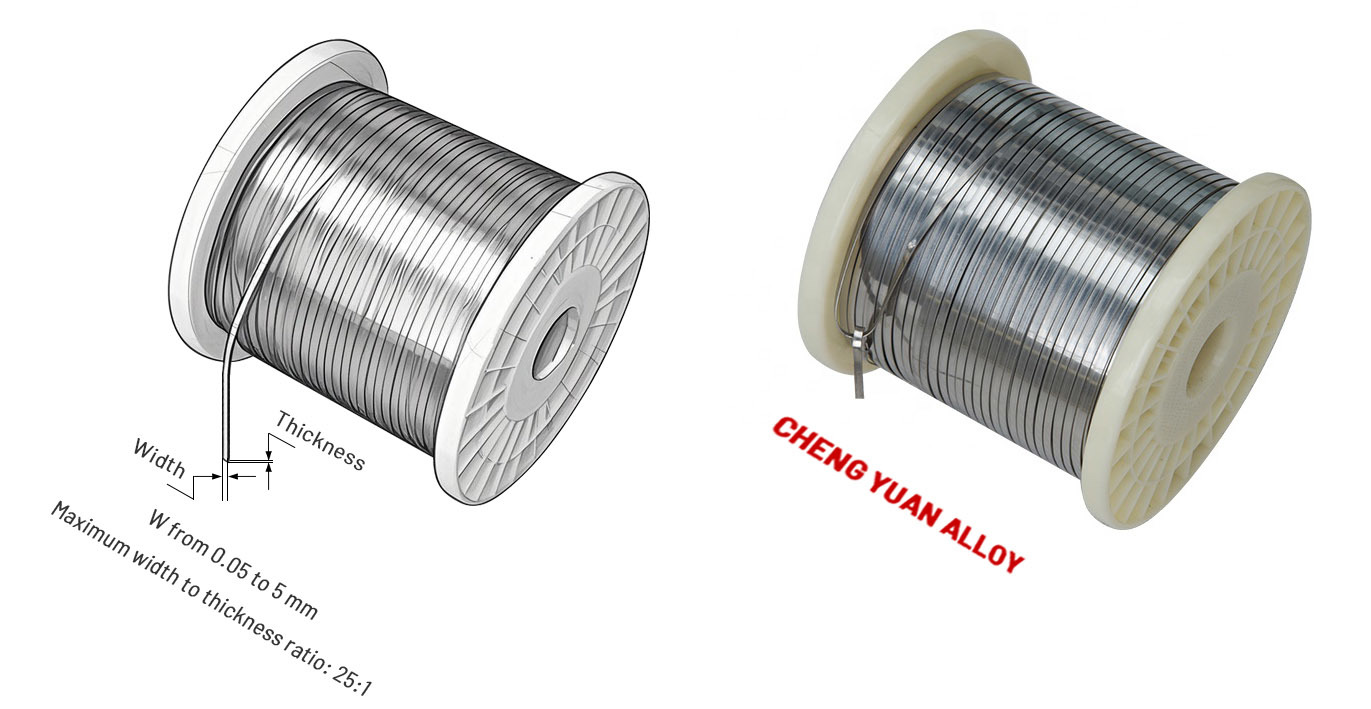
Another significant aspect of heating alloy wire is its versatility. These wires can be manufactured in various diameters and configurations, catering to specific application requirements. Whether in the form of coils, ribbons, or straight wires, the adaptability of heating alloy wire allows engineers and manufacturers to optimize designs for their unique heating solutions.
In the energy sector, heating alloy wires are employed in applications ranging from electric heaters to industrial ovens. Their capacity for sustained high-temperature operation makes them suitable for processes that require precise thermal management and durability. In metallurgy, they are commonly used in resistance welding and other thermal processing techniques, highlighting their importance in the production of high-quality metal components.
When selecting heating alloy wire, it's essential to consider factors such as the operating temperature, environment, and desired electrical resistance. Each application may require a specific alloy composition that meets the operational criteria without compromising performance. Therefore, consulting with material specialists or technical experts is advisable to ensure optimal selection for your heating needs.
In summary, heating alloy wire is a vital component across various industries, particularly within metallurgy and energy. Its properties, including thermal conductivity, oxidation resistance, and versatility, make it indispensable for applications that demand reliable and efficient heating solutions. Understanding these attributes will allow professionals to make informed decisions when selecting materials for their specific applications, ensuring both performance and durability in their operations.
Heating alloy wire, often composed of materials such as nickel and other metals, plays a fundamental role in numerous industrial applications where high temperatures and resistance to oxidation are paramount. Typically utilized in heating elements, these wires are engineered to function effectively in environments where traditional materials would fail.
One of the primary characteristics of heating alloy wire is its excellent thermal conductivity. This property enables efficient heat transfer, which is essential in applications such as electric heating elements, resistance wires, and various industrial heating equipment. The ability of these alloys to maintain performance under high temperatures is crucial for ensuring the reliability and longevity of devices that rely on consistent thermal output.
In addition to thermal conductivity, heating alloy wires are known for their resistance to oxidation and corrosion. This is particularly important in applications exposed to harsh environments, such as furnaces or kilns, where the presence of aggressive atmospheres can lead to rapid degradation of conventional materials. The specific compositions of nickel alloys contribute to their enhanced resistance, making them ideal for use in demanding applications.
Another significant aspect of heating alloy wire is its versatility. These wires can be manufactured in various diameters and configurations, catering to specific application requirements. Whether in the form of coils, ribbons, or straight wires, the adaptability of heating alloy wire allows engineers and manufacturers to optimize designs for their unique heating solutions.
In the energy sector, heating alloy wires are employed in applications ranging from electric heaters to industrial ovens. Their capacity for sustained high-temperature operation makes them suitable for processes that require precise thermal management and durability. In metallurgy, they are commonly used in resistance welding and other thermal processing techniques, highlighting their importance in the production of high-quality metal components.
When selecting heating alloy wire, it's essential to consider factors such as the operating temperature, environment, and desired electrical resistance. Each application may require a specific alloy composition that meets the operational criteria without compromising performance. Therefore, consulting with material specialists or technical experts is advisable to ensure optimal selection for your heating needs.
In summary, heating alloy wire is a vital component across various industries, particularly within metallurgy and energy. Its properties, including thermal conductivity, oxidation resistance, and versatility, make it indispensable for applications that demand reliable and efficient heating solutions. Understanding these attributes will allow professionals to make informed decisions when selecting materials for their specific applications, ensuring both performance and durability in their operations.
SEO:
Related News

Cheng Yuan
Alloy Material
We look forward to working with you to jointly promote the development of China's alloy material industry.
Telephone
Email us
For more information, please leave your message below.