

Understanding Heating Alloy Wire: A Key Element in Metallurgy and Energy Industries
Release time:
2026-05-16
Heating alloy wire is an essential material used extensively in the metallurgy and energy industries. Composed primarily of nickel and other alloying elements, this wire is designed to perform under high-temperature conditions. Its unique properties make it an ideal choice for applications that require durability, resistance to oxidation, and excellent thermal conductivity. One of the primary feat
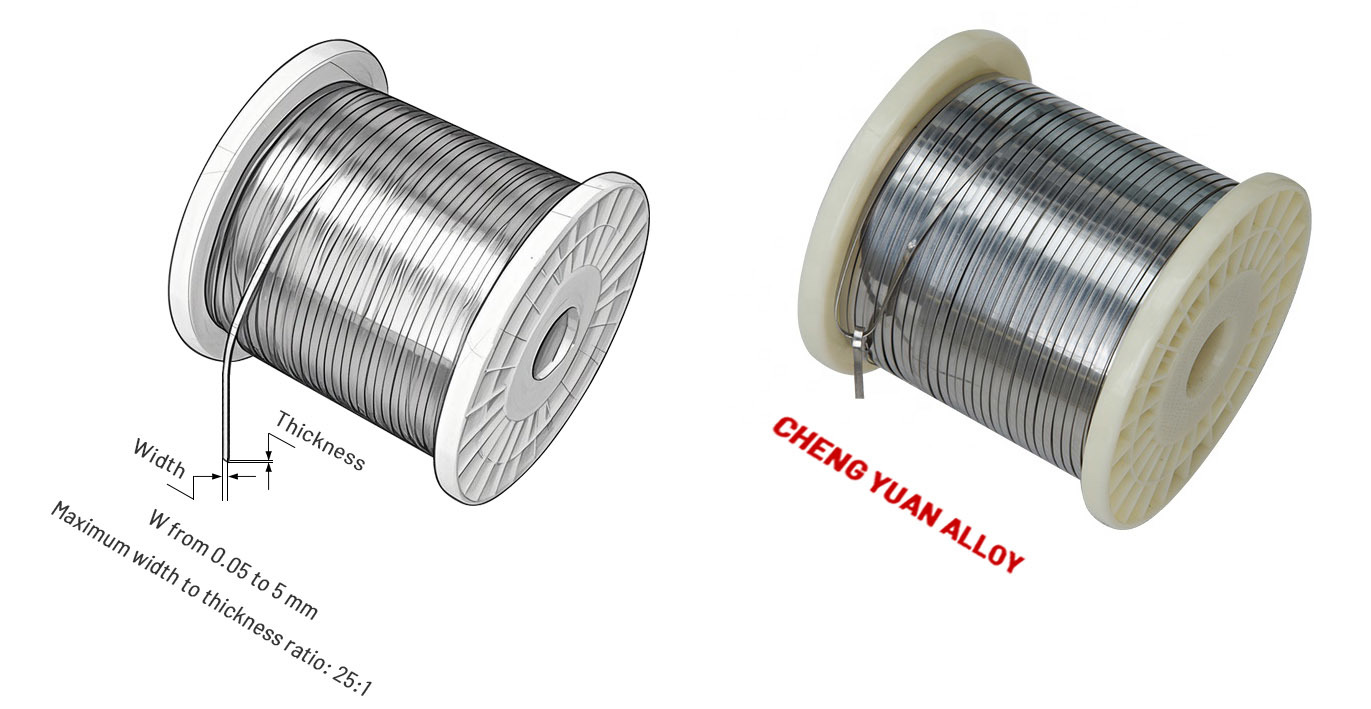
Heating alloy wire is an essential material used extensively in the metallurgy and energy industries. Composed primarily of nickel and other alloying elements, this wire is designed to perform under high-temperature conditions. Its unique properties make it an ideal choice for applications that require durability, resistance to oxidation, and excellent thermal conductivity.
One of the primary features of heating alloy wire is its ability to withstand extreme temperatures without losing structural integrity. This characteristic is crucial in environments such as furnaces, kilns, and other heat-reliant processes. The wire can maintain its performance even when exposed to high levels of heat, making it suitable for applications like heating elements in various industrial equipment.
In the metallurgical sector, heating alloy wire finds use in processes such as metal melting, sintering, and annealing. These processes often involve high-temperature environments where traditional materials may fail. The resilience of heating alloy wire ensures not only the efficiency of the processes but also enhances the product quality. For example, during metal melting, using the right alloy wire can lead to better metal properties and reduced defects.
Moreover, heating alloy wire is also critical in energy-related applications. It is often employed in the manufacturing of heating elements for electric heating appliances, like toasters and ovens, as well as in industrial heating systems. The wire’s ability to convert electrical energy into heat is essential for these applications, providing reliable and consistent heat generation.
The versatility of heating alloy wire extends to its adaptability in different forms and sizes. Depending on specific needs, it can be produced in various diameters and configurations, allowing for customized solutions in specific applications. This flexibility makes it a preferred choice for engineers and manufacturers seeking optimal performance in their equipment.
Furthermore, another significant advantage of heating alloy wire is its resistance to corrosion and oxidation. This property is particularly beneficial in harsh environments where other materials might deteriorate quickly. This durability not only extends the lifespan of the components but also reduces maintenance costs and downtime, enhancing overall operational efficiency.
In conclusion, heating alloy wire is a crucial material for the metallurgy and energy industries, characterized by its high-temperature resilience, adaptability, and corrosion resistance. Understanding its properties and applications can help professionals make informed decisions when selecting materials for their industrial processes. As technology advances, the role of heating alloy wire will likely continue to expand, further solidifying its importance in modern manufacturing and energy production.
SEO:

Cheng Yuan
Alloy Material
We look forward to working with you to jointly promote the development of China's alloy material industry.
Telephone
Email us
For more information, please leave your message below.