

Pure Nickel Sheets: The Cornerstone of Electrical Engineering Innovations
Release time:
2026-07-24
Pure Nickel Sheets: The Cornerstone of Electrical Engineering Innovations Table of Contents 1. Introduction to Pure Nickel Sheets 2. Unique Properties of Pure Nickel 3. Manufacturing Processes of Pure Nickel Sheets 4. Applications of Pure Nickel Sheets in Electrical Engineering 5. Advantages of Using Pure Nickel Sheets 6. Challenges in Working with Pure Nickel 7. The Future o
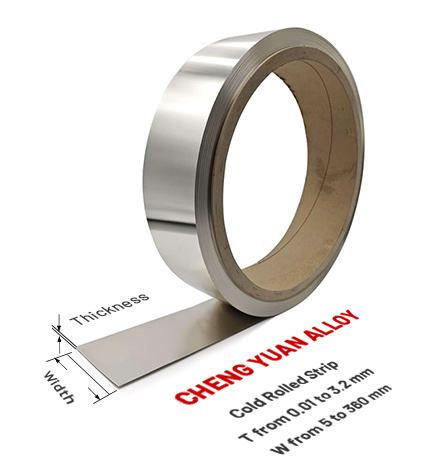
Pure Nickel Sheets: The Cornerstone of Electrical Engineering Innovations
Table of Contents
- 1. Introduction to Pure Nickel Sheets
- 2. Unique Properties of Pure Nickel
- 3. Manufacturing Processes of Pure Nickel Sheets
- 4. Applications of Pure Nickel Sheets in Electrical Engineering
- 5. Advantages of Using Pure Nickel Sheets
- 6. Challenges in Working with Pure Nickel
- 7. The Future of Pure Nickel Sheets in Technology
- 8. Conclusion
- 9. FAQs
1. Introduction to Pure Nickel Sheets
In the realm of electrical engineering, **pure nickel sheets** have emerged as a critical material, driving innovations across various applications. Known for their exceptional conductivity and resistance to corrosion, these sheets play an integral role in the development of modern electrical components. We delve into the significance of pure nickel sheets, exploring their properties, manufacturing processes, and diverse applications that underscore their importance in today’s technological landscape.
2. Unique Properties of Pure Nickel
Pure nickel is distinguished by a variety of properties that make it exceptionally suited for electrical engineering applications.
2.1 Electrical Conductivity
One of the most critical attributes of pure nickel is its outstanding **electrical conductivity**. This property ensures efficient current flow in electrical components, minimizing energy loss and enhancing performance.
2.2 Corrosion Resistance
Pure nickel exhibits remarkable resistance to corrosion, particularly in harsh environments. This characteristic is essential for applications that require durability and longevity, as it ensures that components maintain functionality over extended periods.
2.3 Mechanical Strength
The mechanical strength of pure nickel makes it an ideal choice for components that must withstand physical stress without deforming. This strength ensures reliability in dynamic applications, such as motors and generators.
2.4 Thermal Stability
Pure nickel sheets maintain their integrity over a wide range of temperatures. This thermal stability is crucial for applications exposed to fluctuating heat levels, ensuring consistent performance.
3. Manufacturing Processes of Pure Nickel Sheets
The production of pure nickel sheets involves several intricate processes that foster the material's unique properties.
3.1 Sourcing Raw Materials
The journey begins with sourcing high-purity nickel ore, which is crucial for maintaining the material’s integrity. The ore undergoes rigorous processing to eliminate impurities, resulting in high-quality nickel.
3.2 Melting and Casting
The purified nickel is then melted at high temperatures and cast into ingots. This process is vital for achieving the desired structural characteristics while maintaining the material's purity.
3.4 Rolling and Annealing
After casting, the ingots are rolled into thin sheets. Annealing, a heat treatment process, follows to enhance the ductility and strength of the sheets. This stage is essential for achieving the desired thickness and finish.
3.5 Cutting and Finishing
The final step involves cutting the sheets to specified dimensions and applying finishing processes, such as polishing, to improve surface quality. These processes ensure that the sheets meet industry standards and customer specifications.
4. Applications of Pure Nickel Sheets in Electrical Engineering
Pure nickel sheets find extensive use in various electrical engineering applications, each benefiting from the material's unique properties.
4.1 Electrical Connectors
In electrical connectors, pure nickel’s conductivity and corrosion resistance ensure reliable connections. These connectors are vital in aerospace, automotive, and consumer electronics industries where performance is paramount.
4.2 Battery Components
The energy storage sector employs pure nickel sheets in battery components, particularly in lithium-ion batteries. Their stability and electrical properties contribute to the efficiency and longevity of batteries.
4.3 Magnetic Shielding
Pure nickel sheets offer excellent magnetic shielding properties, making them indispensable in applications sensitive to electromagnetic interference (EMI). This application is crucial in telecommunications and medical devices.
4.4 Electronics Packaging
In electronics packaging, pure nickel sheets protect sensitive components from external influences. Their barrier properties enhance the reliability of devices, which is critical in consumer electronics.
4.5 Heat Exchangers
Pure nickel’s thermal stability allows it to be used in heat exchangers, where efficient heat transfer is essential. Their resistance to heat and corrosion enhances the lifespan and performance of these systems.
5. Advantages of Using Pure Nickel Sheets
The adoption of pure nickel sheets in electrical engineering offers numerous advantages, reinforcing their position as a preferred material.
5.1 High Performance
Pure nickel sheets deliver **high performance** due to their combination of electrical conductivity and mechanical strength, ensuring optimal functioning in various applications.
5.2 Longevity
The corrosion resistance and thermal stability of pure nickel sheets contribute to the longevity of components, reducing maintenance costs and enhancing overall reliability.
5.3 Versatility
Their versatility allows pure nickel sheets to be used across a wide range of industries, from automotive to aerospace, making them a valuable asset in innovative engineering solutions.
5.4 Cost-Effectiveness
While the initial investment may be higher compared to other materials, the long-term performance and durability of pure nickel sheets make them a cost-effective choice for many applications.
6. Challenges in Working with Pure Nickel
Despite its numerous benefits, working with pure nickel sheets presents certain challenges that must be addressed.
6.1 Fabrication Difficulties
The fabrication of pure nickel sheets can be challenging due to their unique properties. Techniques like welding require specialized equipment and expertise to ensure quality joints.
6.2 Cost of Raw Materials
The cost of sourcing high-purity nickel can be a hurdle, affecting the overall pricing of products made from pure nickel sheets. Companies must balance quality and cost-effectiveness.
6.3 Supply Chain Issues
Supply chain disruptions can impact the availability of pure nickel, leading to delays in production and increased costs for manufacturers.
7. The Future of Pure Nickel Sheets in Technology
The future of pure nickel sheets in electrical engineering is promising.
7.1 Emerging Technologies
With advancements in technology, the demand for high-performance materials is increasing. Pure nickel sheets will likely play a pivotal role in innovative solutions, particularly in renewable energy applications and next-generation battery technologies.
7.2 Sustainability Considerations
As industries shift towards sustainable practices, the recyclability of pure nickel presents opportunities for greener manufacturing processes, further enhancing its appeal.
7.3 Research and Development
Ongoing research is expected to unlock new applications and improve fabrication techniques, broadening the horizon for pure nickel sheets in various fields.
8. Conclusion
In summary, **pure nickel sheets** are indispensable in electrical engineering, offering a blend of unique properties that foster innovation and efficiency. Their applications span across multiple sectors, underlining their versatility and importance. As technology continues to advance, the role of pure nickel sheets is set to expand, making them a cornerstone in the evolution of electrical engineering. Industries that leverage these materials will benefit from enhanced performance and sustainability, ensuring their competitiveness in a rapidly changing technological landscape.
9. FAQs
9.1 What are pure nickel sheets used for?
Pure nickel sheets are used in various applications, including electrical connectors, battery components, magnetic shielding, electronics packaging, and heat exchangers.
9.2 Why is pure nickel preferred in electrical engineering?
Pure nickel is preferred due to its excellent electrical conductivity, corrosion resistance, mechanical strength, and thermal stability, making it suitable for diverse applications.
9.3 How are pure nickel sheets manufactured?
The manufacturing process involves sourcing high-purity nickel ore, melting and casting it into ingots, rolling it into sheets, and finishing it to meet industry standards.
9.4 What challenges are associated with pure nickel sheets?
Challenges include fabrication difficulties, high raw material costs, and supply chain issues that can affect availability and pricing.
9.5 What is the future of pure nickel sheets in technology?
The future looks bright for pure nickel sheets as emerging technologies and sustainability considerations drive demand, leading to innovations in applications and fabrication techniques.
SEO:

Cheng Yuan
Alloy Material
We look forward to working with you to jointly promote the development of China's alloy material industry.
Telephone
Email us
For more information, please leave your message below.