

How to Fabricate Pure Nickel Sheets for Custom Applications: A Comprehensive Guide
Release time:
2026-09-04
How to Fabricate Pure Nickel Sheets for Custom Applications Table of Contents Introduction: Understanding Pure Nickel and Its Applications The Exceptional Properties of Pure Nickel Sourcing High-Quality Nickel Materials The Fabrication Process of Pure Nickel Sheets Cutting Techniques for Pure Nickel Sheets Forming Methods for Custom Shapes
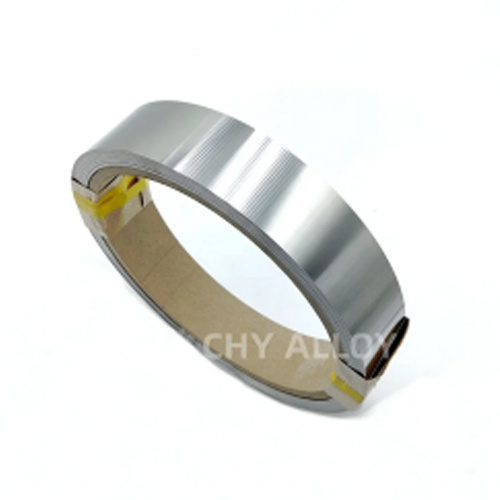
How to Fabricate Pure Nickel Sheets for Custom Applications
Table of Contents
- Introduction: Understanding Pure Nickel and Its Applications
- The Exceptional Properties of Pure Nickel
- Sourcing High-Quality Nickel Materials
- The Fabrication Process of Pure Nickel Sheets
- Cutting Techniques for Pure Nickel Sheets
- Forming Methods for Custom Shapes
- Joining Techniques: Welding and Other Methods
- Finishing Techniques for Pure Nickel Sheets
- Quality Assurance in Nickel Sheet Fabrication
- Applications of Pure Nickel Sheets: Where They Shine
- Future Trends in Nickel Sheet Fabrication
- Frequently Asked Questions
- Conclusion
Introduction: Understanding Pure Nickel and Its Applications
The fabrication of pure nickel sheets has become an essential process in various industries due to the metal's unique properties. With increasing demand for corrosion-resistant and durable materials, understanding how to effectively fabricate these sheets can lead to tailored solutions for custom applications. In this article, we will explore the entire fabrication process from start to finish, ensuring a comprehensive grasp of the subject matter.
The Exceptional Properties of Pure Nickel
Pure nickel is renowned for its remarkable characteristics. Here are some of the key properties that make nickel sheets highly desirable:
Corrosion Resistance
Nickel exhibits outstanding resistance to oxidation and corrosion, making it suitable for use in harsh environments.
High Strength and Ductility
The metal's high tensile strength and ductility allow it to be formed into complex shapes without losing integrity.
Thermal and Electrical Conductivity
Nickel's excellent thermal and electrical conductivity makes it a preferred choice for electrical applications.
Magnetic Properties
At room temperature, nickel is ferromagnetic, which can be advantageous in specific applications, including electronic components.
Sourcing High-Quality Nickel Materials
Before fabrication begins, sourcing the right nickel material is crucial. It is essential to partner with reputable suppliers who can provide pure nickel that meets industry standards. Key points to consider include:
Material Specifications
Ensure the nickel conforms to ASTM standards or equivalent specifications to guarantee its quality and performance.
Supplier Reputation
Research potential suppliers and seek recommendations or reviews to ensure reliability and consistency in quality.
Cost vs. Quality
While cost is a significant factor, prioritize quality to avoid complications in the fabrication process.
The Fabrication Process of Pure Nickel Sheets
The fabrication of pure nickel sheets involves several steps, each requiring precision and expertise.
Cutting Techniques for Pure Nickel Sheets
Cutting the nickel sheets accurately is the first step in the fabrication process. Several methods can be employed:
Laser Cutting
Laser cutting provides high precision and clean cuts, making it ideal for intricate designs.
Waterjet Cutting
Waterjet cutting uses high-pressure water streams to cut through the material, ensuring no heat-affected zones are created.
Mechanical Cutting
Mechanical methods, such as shearing or sawing, are also viable but may not achieve the same level of precision as laser or waterjet cutting.
Forming Methods for Custom Shapes
Once the sheets are cut, forming them into specific shapes is often necessary. Key techniques include:
Stamping
Stamping is widely used for producing parts with defined shapes and is particularly effective for high-volume production.
Bending
Bending processes allow for the creation of angles and curves in the sheet while maintaining material integrity.
Deep Drawing
Deep drawing is used for producing deep, hollow components and requires careful control to avoid material tearing.
Joining Techniques: Welding and Other Methods
When assembling components, various joining techniques may be applied:
TIG Welding
TIG (Tungsten Inert Gas) welding is preferred for nickel due to its ability to provide clean, strong welds with minimal distortion.
Electron Beam Welding
This specialized welding technique uses a beam of high-velocity electrons and is perfect for thick nickel materials.
Riveting and Fastening
For parts that need to be disassembled, mechanical joining methods such as riveting can be advantageous.
Finishing Techniques for Pure Nickel Sheets
The finishing stage is crucial for enhancing the appearance and performance of pure nickel sheets. Common techniques include:
Polishing
Polishing provides a smooth surface finish, improving aesthetics and reducing surface friction.
Coating
Applying protective coatings can enhance corrosion resistance and durability, extending the lifespan of the sheets.
Passivation
This chemical treatment creates a protective layer on the nickel surface, further enhancing its corrosion resistance.
Quality Assurance in Nickel Sheet Fabrication
Quality assurance is vital throughout the fabrication process. Implementing a comprehensive quality control system includes:
Material Testing
Conducting tensile, hardness, and corrosion tests helps ensure the nickel meets the necessary specifications.
Process Monitoring
Continuous monitoring during fabrication can identify deviations early, allowing for corrective actions to be taken promptly.
Final Inspection
A thorough final inspection of the fabricated sheets ensures they meet all design requirements and quality standards before delivery.
Applications of Pure Nickel Sheets: Where They Shine
Pure nickel sheets find application across various industries due to their unique properties. Common applications include:
Aerospace Components
Nickel sheets are used in aircraft engines and structural components due to their heat resistance and strength.
Electrical Connectors and Components
Their excellent electrical conductivity makes nickel sheets ideal for electrical connectors and components, ensuring reliable performance.
Chemical Processing Equipment
Due to their corrosion resistance, nickel sheets are widely utilized in chemical processing equipment, including reactors and storage tanks.
Medical Devices
In the medical field, nickel sheets are used for surgical instruments and implants, where biocompatibility is essential.
Future Trends in Nickel Sheet Fabrication
As industries evolve, the methods and technologies used for fabricating pure nickel sheets are also changing. Future trends may include:
Automation in Fabrication
Increased automation and robotics in the fabrication process can enhance efficiency and precision.
Advanced Alloys and Compounding
Research and development in nickel alloys and compounding can lead to even better performance characteristics tailored to specific applications.
Sustainable Practices
Sustainability is becoming increasingly important, with a focus on minimizing waste and using eco-friendly processes in nickel sheet fabrication.
Frequently Asked Questions
1. What are the main uses of pure nickel sheets?
Pure nickel sheets are primarily used in aerospace, electrical components, chemical processing, and medical devices due to their unique properties.
2. How thick can pure nickel sheets be fabricated?
Pure nickel sheets can be fabricated in various thicknesses, typically ranging from thin sheets of 0.005 inches to thicker plates over an inch.
3. What is the difference between pure nickel and nickel alloys?
Pure nickel consists of 99.9% nickel, whereas nickel alloys contain other metals, enhancing specific properties like strength or corrosion resistance.
4. How can I ensure the quality of my nickel sheets?
Implementing a comprehensive quality assurance process, including material testing and final inspections, can help ensure the quality of fabricated nickel sheets.
5. Are there any health concerns with using nickel?
While nickel is generally safe, some individuals may have allergies or sensitivities to it. It is important to follow safety guidelines during fabrication.
Conclusion
Fabricating pure nickel sheets for custom applications is a complex but rewarding process. By understanding the properties of nickel, sourcing quality materials, and mastering various fabrication techniques, we can create high-quality nickel products tailored to meet specific industry needs. As technology advances, staying informed about new methods and trends will enable us to enhance our fabrication processes further and meet the evolving demands of the market. With careful planning and execution, the potential applications for pure nickel sheets are vast and varied, offering endless opportunities for innovation and growth in the industry.
SEO:

Cheng Yuan
Alloy Material
We look forward to working with you to jointly promote the development of China's alloy material industry.
Telephone
Email us
For more information, please leave your message below.