

The Ultimate Guide to Best Practices for Storing Pure Nickel Sheets
Release time:
2026-09-28
The Ultimate Guide to Best Practices for Storing Pure Nickel Sheets Table of Contents 1. Introduction to Pure Nickel Sheets 2. Importance of Proper Storage for Pure Nickel Sheets 3. Environmental Factors Affecting Nickel Sheets 4. Effective Storage Methods for Pure Nickel Sheets 4.1 Choosing the Right Shelving Systems 4.2 Maintaining Optimal Temperature and Humidity 4.3 Use of Protective Coating
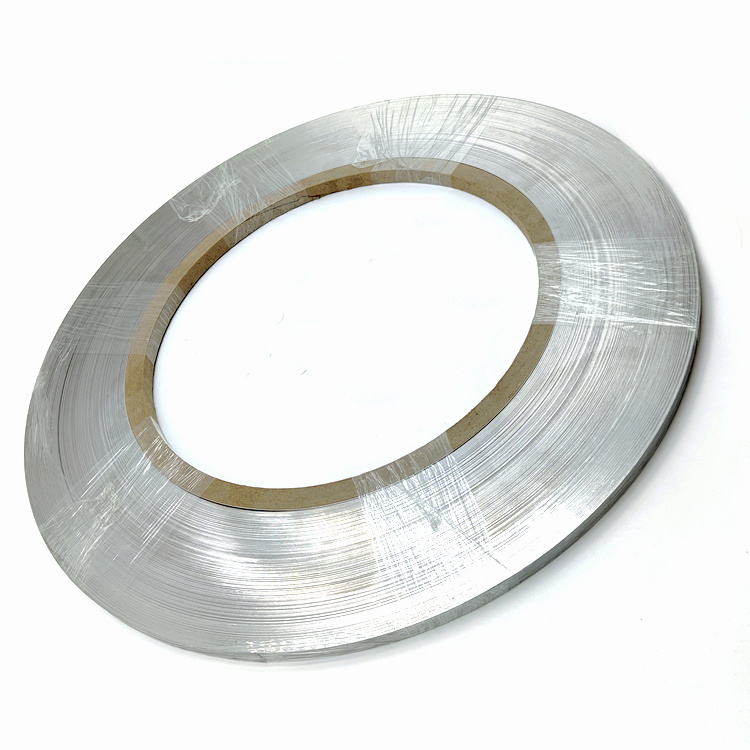
The Ultimate Guide to Best Practices for Storing Pure Nickel Sheets
Table of Contents
- 1. Introduction to Pure Nickel Sheets
- 2. Importance of Proper Storage for Pure Nickel Sheets
- 3. Environmental Factors Affecting Nickel Sheets
- 4. Effective Storage Methods for Pure Nickel Sheets
- 4.1 Choosing the Right Shelving Systems
- 4.2 Maintaining Optimal Temperature and Humidity
- 4.3 Use of Protective Coatings and Wrappings
- 5. Proper Handling Techniques for Pure Nickel Sheets
- 6. Inventory Management for Nickel Sheets
- 7. Safety Considerations When Storing Nickel
- 8. Frequently Asked Questions
- 9. Conclusion
1. Introduction to Pure Nickel Sheets
Pure nickel sheets are a vital material in various industries, particularly in metallurgy and energy sectors. Known for their resistance to corrosion, high-temperature stability, and exceptional mechanical properties, these sheets are widely utilized in manufacturing, aerospace, and electronics. However, to maintain their quality and performance, appropriate storage techniques are essential. This article outlines the best practices for storing pure nickel sheets, ensuring they remain in peak condition for your applications.
2. Importance of Proper Storage for Pure Nickel Sheets
Storing pure nickel sheets correctly is crucial for several reasons:
- **Preservation of Material Integrity**: Improper storage can lead to oxidation, corrosion, and deformation, affecting the sheet's structural integrity.
- **Cost Efficiency**: Damaged sheets mean additional costs for replacement. Proper storage helps avoid unnecessary expenses.
- **Safety Assurance**: Well-stored materials reduce the risk of accidents and injuries in workplaces.
- **Operational Efficiency**: When materials are stored properly, it simplifies inventory management and retrieval, enhancing overall workflow efficiency.
3. Environmental Factors Affecting Nickel Sheets
Several environmental factors can adversely affect pure nickel sheets when stored:
- **Humidity**: High humidity levels can lead to moisture accumulation, promoting corrosion and oxidation.
- **Temperature Fluctuations**: Extreme temperatures can cause thermal expansion and contraction, resulting in warping or cracking.
- **Contaminants**: Dust, chemicals, and other contaminants can compromise the surface of nickel sheets, leading to defects.
Understanding these factors is the first step in implementing effective storage practices.
4. Effective Storage Methods for Pure Nickel Sheets
To ensure the longevity and performance of pure nickel sheets, implement the following storage methods:
4.1 Choosing the Right Shelving Systems
Selecting appropriate shelving systems is vital for organizing and storing nickel sheets. Consider the following:
- **Material Selection**: Use sturdy, corrosion-resistant shelving materials like stainless steel or coated metals.
- **Load Capacity**: Ensure that the shelves can support the weight of the nickel sheets without sagging or collapsing.
- **Accessibility**: Shelving should allow for easy access to sheets, minimizing handling and potential damage.
4.2 Maintaining Optimal Temperature and Humidity
Control the storage environment's temperature and humidity to protect nickel sheets:
- **Ideal Temperature**: Aim for a stable temperature range of 15-25°C (59-77°F).
- **Humidity Control**: Keep relative humidity levels below 50% to minimize the risk of corrosion. Dehumidifiers can be used in high-humidity environments.
4.3 Use of Protective Coatings and Wrappings
Applying protective coatings or using appropriate wrappings can significantly enhance the longevity of pure nickel sheets:
- **Protective Coatings**: Consider using water-repellent coatings that can shield against moisture and contaminants.
- **Wrapping Materials**: Use polyethylene or other non-reactive materials for wrapping sheets. Avoid materials that may cause scratching or chemical reactions.
5. Proper Handling Techniques for Pure Nickel Sheets
Correct handling practices are essential to prevent damage during storage and retrieval:
- **Wear Protective Gear**: Always use gloves to avoid transferring oils and moisture from hands to the sheets.
- **Use Proper Lifting Techniques**: When moving large sheets, lift with the legs, not the back, to prevent injuries.
- **Utilize Lifting Equipment**: Consider using hoists or forklifts for heavy sheets, ensuring safe and efficient handling.
6. Inventory Management for Nickel Sheets
Effective inventory management is crucial for optimizing storage space and ensuring quick access:
- **Organize by Size and Thickness**: Arrange sheets by their dimensions and thicknesses to facilitate quick retrieval.
- **Implement a Tracking System**: Use barcode systems or inventory management software to keep track of sheet quantities, locations, and conditions.
- **Regular Audits**: Conduct regular inventory checks to identify any damaged sheets and ensure storage conditions remain optimal.
7. Safety Considerations When Storing Nickel
Safety should always be a priority when storing pure nickel sheets:
- **Clear Walkways**: Ensure that storage areas are free from obstructions to prevent accidents.
- **Signage**: Post clear signage indicating weight limits and proper handling practices.
- **Training**: Provide training for employees on the best storage and handling practices to minimize risks.
8. Frequently Asked Questions
Q1: What is the best temperature range for storing pure nickel sheets?
A1: The ideal temperature range for storing pure nickel sheets is between 15-25°C (59-77°F) to prevent thermal expansion and contraction.
Q2: How can I prevent corrosion on nickel sheets?
A2: To prevent corrosion, maintain low humidity levels (below 50%), use protective coatings, and store sheets in a clean environment.
Q3: Is it necessary to wrap pure nickel sheets?
A3: Yes, wrapping sheets in polyethylene or other non-reactive materials can help protect them from moisture and contaminants.
Q4: What is the best way to handle large nickel sheets?
A4: Use proper lifting techniques, wear protective gear, and consider using lifting equipment for large sheets to ensure safe handling.
Q5: How often should I conduct inventory checks on stored nickel sheets?
A5: Regular audits should be conducted at least quarterly to ensure sheets are in good condition and that storage practices remain effective.
9. Conclusion
Storing pure nickel sheets properly is essential for maintaining their quality and ensuring optimal performance in various applications. By understanding the environmental factors that affect these materials, implementing effective storage methods, employing proper handling techniques, and adhering to safety considerations, you can safeguard your nickel sheets against damage and deterioration. Prioritizing these best practices not only enhances the longevity of your materials but also contributes to operational efficiency and cost savings in your metallurgical and energy-related processes. Embrace these best practices for successful and sustainable storage of pure nickel sheets.
SEO:

Cheng Yuan
Alloy Material
We look forward to working with you to jointly promote the development of China's alloy material industry.
Telephone
Email us
For more information, please leave your message below.