

Understanding Hot Corrosion Resistant Alloys: Essential Insights for Metallurgy and Energy Industries
Release time:
2026-10-21
Hot corrosion is a significant challenge faced by materials used in high-temperature environments, particularly in the energy sector and aerospace applications. The phenomenon occurs when alloys are exposed to corrosive environments, such as those containing sulfates and chlorides, at elevated temperatures. This type of corrosion can lead to rapid degradation of materials, resulting in catastrophi
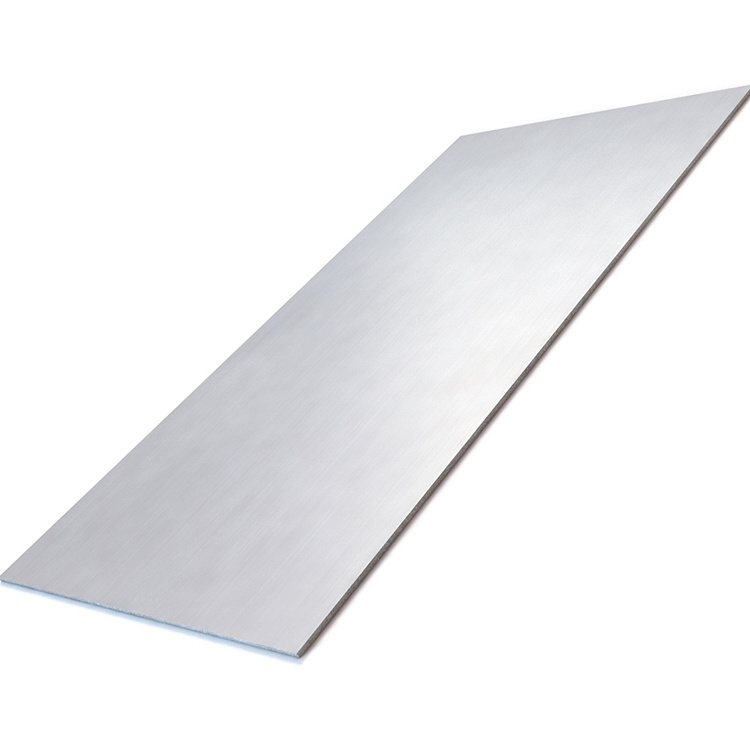
Hot corrosion resistant alloys are specifically engineered to withstand these harsh conditions. These alloys typically contain elements such as nickel, cobalt, and chromium, which enhance their resistance to oxidation and sulfidation. The presence of these alloying elements helps form a protective oxide layer on the surface of the material, significantly improving its longevity and performance under hot corrosion conditions.
One of the key advantages of using hot corrosion resistant alloys is their ability to maintain structural integrity at elevated temperatures. This makes them ideal for applications in gas turbines, industrial furnaces, and marine environments, where exposure to high heat and corrosive agents is commonplace. Additionally, these alloys often exhibit excellent mechanical properties, such as high strength and good ductility, which are essential in demanding operational settings.
When selecting hot corrosion resistant alloys, it is essential to consider various factors, including the specific environment in which the material will be used, the temperature range, and the expected lifetime of the component. For instance, in gas turbine engines, alloys need to endure not only high temperatures but also the presence of corrosive combustion gases. Therefore, understanding the specific requirements of your application is crucial for choosing the right material.
Furthermore, advancements in alloy development continue to enhance the performance of hot corrosion resistant materials. Researchers are exploring new compositions and processing techniques that can lead to improved resistance and more cost-effective solutions. Staying informed about these innovations can provide a competitive edge in the metallurgy and energy sectors.
In conclusion, hot corrosion resistant alloys play a vital role in ensuring the durability and reliability of components in high-temperature applications. By understanding their properties, applications, and selection criteria, professionals in the metallurgy and energy industries can make informed decisions that lead to better performance and longevity of their products. Embracing these materials is not just a choice but a strategic necessity in today’s demanding industrial landscape.
SEO:

Cheng Yuan
Alloy Material
We look forward to working with you to jointly promote the development of China's alloy material industry.
Telephone
Email us
For more information, please leave your message below.