

Pure Nickel Sheets vs. Other Materials: A Comprehensive Comparative Analysis
Release time:
2026-02-14
Pure Nickel Sheets vs. Other Materials: A Comprehensive Comparative Analysis Table of Contents Introduction to Pure Nickel Sheets Properties of Pure Nickel Sheets Comparative Analysis with Other Materials 1.1 Pure Nickel vs. Copper 1.2 Pure Nickel vs. Aluminum 1.3 Pure Nickel vs. Steel 1.4 Pure Nickel vs. Magnesium
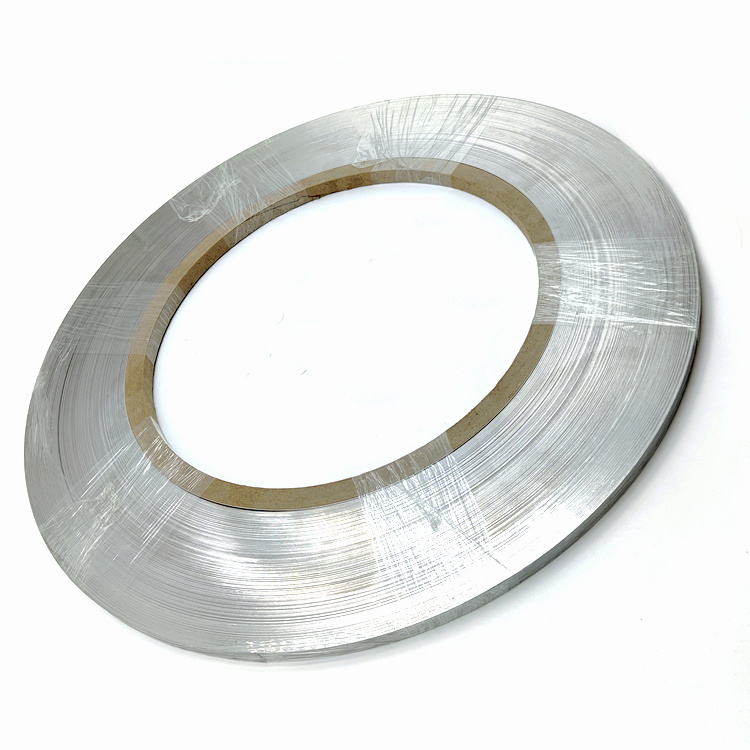
Pure Nickel Sheets vs. Other Materials: A Comprehensive Comparative Analysis
Table of Contents
- Introduction to Pure Nickel Sheets
- Properties of Pure Nickel Sheets
- Comparative Analysis with Other Materials
- 1.1 Pure Nickel vs. Copper
- 1.2 Pure Nickel vs. Aluminum
- 1.3 Pure Nickel vs. Steel
- 1.4 Pure Nickel vs. Magnesium
- Applications of Pure Nickel Sheets
- Advantages of Using Pure Nickel Sheets
- Disadvantages of Pure Nickel Sheets
- Frequently Asked Questions
- Conclusion: Choosing the Right Material
Introduction to Pure Nickel Sheets
Pure nickel sheets have gained significant attention in industries that require durable, corrosion-resistant, and conductive materials. Composed primarily of nickel (at least 99% purity), these sheets exhibit exceptional properties that make them suitable for various applications, from aerospace to electronics. Understanding the unique characteristics of pure nickel compared to other materials is crucial for professionals in metallurgy, energy, and manufacturing sectors seeking optimal performance in their products.
Properties of Pure Nickel Sheets
Pure nickel boasts a range of properties that set it apart from other metals. Some notable characteristics include:
Corrosion Resistance
Pure nickel is known for its outstanding resistance to corrosion, particularly in harsh environments involving acids and alkalis. This makes it a preferred choice in chemical processing industries.
Thermal and Electrical Conductivity
Nickel exhibits excellent thermal and electrical conductivity, making it ideal for applications that require efficient heat and energy transfer.
Ductility and Malleability
Pure nickel is highly ductile and malleable, allowing for easy shaping and forming into various configurations without cracking or breaking.
High Strength
Despite its lightweight nature, pure nickel sheets possess high tensile strength, making them resilient under stress.
Comparative Analysis with Other Materials
When evaluating pure nickel sheets, it’s essential to compare them against other popular materials used in similar applications. The following sections delve into specific comparisons with copper, aluminum, steel, and magnesium.
1.1 Pure Nickel vs. Copper
Copper is widely used due to its excellent conductivity and affordability. However, when pitted against pure nickel sheets, several differences emerge:
- **Corrosion Resistance**: Nickel outperforms copper in corrosive environments, which is crucial for applications in chemical and marine industries.
- **Thermal Stability**: Pure nickel maintains structural integrity at higher temperatures compared to copper, making it preferable for high-heat applications.
- **Cost**: While copper may be cheaper, the long-term durability of nickel can lead to lower overall costs in corrosive applications.
1.2 Pure Nickel vs. Aluminum
Aluminum is celebrated for its lightweight properties and resistance to rust. However, it has limitations when compared to pure nickel sheets:
- **Strength**: Pure nickel offers higher tensile strength than aluminum, making it suitable for heavy-duty applications.
- **Temperature Range**: Nickel can withstand higher temperatures without losing its properties, whereas aluminum may lose strength under extreme heat.
- **Corrosion Resistance**: Nickel's superior resistance to oxidation and corrosion outmatches aluminum, especially in aggressive environments.
1.3 Pure Nickel vs. Steel
Steel, particularly stainless steel, is commonly used in various industries. However, pure nickel sheets provide distinct advantages:
- **Corrosion Resistance**: While stainless steel offers good corrosion resistance, pure nickel excels in more aggressive corrosive environments.
- **Weight**: Nickel sheets are lighter than most steel grades, which can be an essential factor in aerospace and automotive applications.
- **Cost of Maintenance**: The longevity and maintenance of nickel sheets can prove more cost-effective than stainless steel in certain applications.
1.4 Pure Nickel vs. Magnesium
Magnesium is known for its lightweight and strength. However, it has limitations compared to pure nickel:
- **Corrosion Vulnerability**: Magnesium is prone to corrosion, especially in marine environments, while pure nickel showcases excellent durability.
- **Thermal Conductivity**: Nickel’s superior conductivity makes it more effective for applications requiring efficient heat transfer than magnesium.
Applications of Pure Nickel Sheets
Pure nickel sheets find utility in a variety of sectors due to their unique properties. Common applications include:
Aerospace Industry
In aerospace, pure nickel sheets are used for parts that require high strength and corrosion resistance.
Electronics
The electronics sector benefits from nickel's superb conductivity, which is vital for manufacturing connectors and circuit boards.
Chemical Processing
The chemical industry often employs pure nickel in equipment components that face harsh corrosive environments, such as reactors and heat exchangers.
Marine Applications
Due to its exceptional resistance to seawater corrosion, pure nickel is extensively used in marine engineering applications.
Advantages of Using Pure Nickel Sheets
The advantages of adopting pure nickel sheets in manufacturing and industrial applications are manifold:
- **Longevity**: The durability and corrosion resistance of nickel sheets lead to prolonged product life and reduced replacement costs.
- **Versatility**: Pure nickel can be adapted and processed for various applications, offering flexibility in design and use.
- **Enhanced Performance**: The thermal and electrical properties of nickel sheets lead to improved performance in critical applications.
Disadvantages of Pure Nickel Sheets
Despite their many advantages, pure nickel sheets do have some drawbacks:
- **Cost**: The initial cost of pure nickel can be higher than that of other materials, which may deter some manufacturers.
- **Machinability**: Nickel's hardness can make machining more challenging, requiring specialized equipment and techniques.
Frequently Asked Questions
1. What are pure nickel sheets used for?
Pure nickel sheets are used in aerospace, electronics, chemical processing, and marine applications due to their corrosion resistance and high strength.
2. How do pure nickel sheets compare to stainless steel?
Pure nickel sheets offer superior corrosion resistance and weight advantages over stainless steel in specific applications.
3. Are pure nickel sheets difficult to machine?
While pure nickel sheets can be challenging to machine due to their hardness, proper techniques and tools can mitigate these issues.
4. Can pure nickel sheets be welded?
Yes, pure nickel sheets can be welded, but specific welding techniques and materials should be used to ensure strong joints.
5. Why is pure nickel preferred in the chemical industry?
Pure nickel is preferred in the chemical industry due to its exceptional corrosion resistance and ability to withstand harsh environments.
Conclusion: Choosing the Right Material
In conclusion, pure nickel sheets offer a remarkable combination of properties that make them highly advantageous in various applications, particularly in industries demanding durability, corrosion resistance, and excellent conductivity. While other materials like copper, aluminum, and magnesium have their own benefits, the unique characteristics of pure nickel often provide a more effective solution, especially in challenging environments. When considering material choices for your projects, weighing the merits of pure nickel against your specific requirements will ensure optimal outcomes in performance and longevity.
SEO:
Related News

Cheng Yuan
Alloy Material
We look forward to working with you to jointly promote the development of China's alloy material industry.
Telephone
Email us
For more information, please leave your message below.