

Understanding Heating Alloy Wire: Applications and Benefits
Release time:
2026-02-15
Heating alloy wire, primarily made from nickel and other metals, is designed to provide efficient heat generation and management in a variety of applications. This type of wire is crucial in industries that require precise temperature control, such as heating elements, industrial furnaces, and resistance heating applications. The ability to withstand high temperatures and corrosion makes heating a
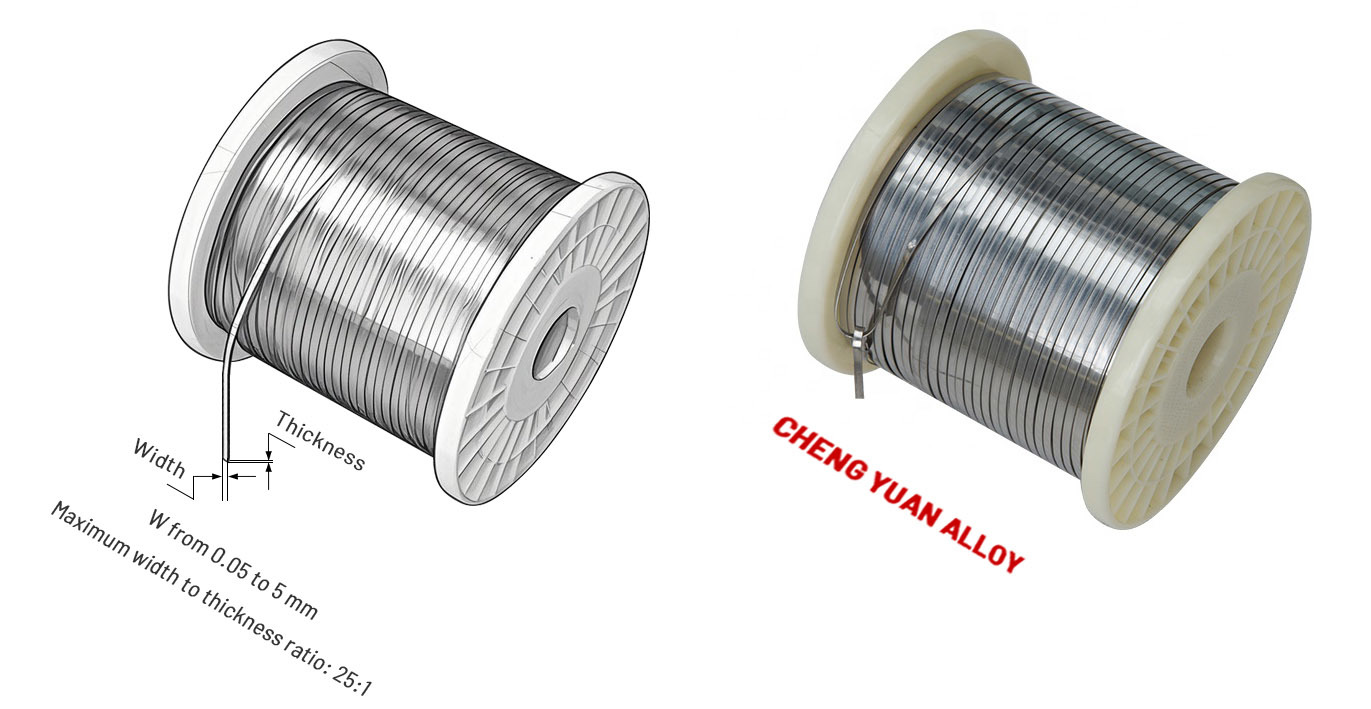
Heating alloy wire, primarily made from nickel and other metals, is designed to provide efficient heat generation and management in a variety of applications. This type of wire is crucial in industries that require precise temperature control, such as heating elements, industrial furnaces, and resistance heating applications. The ability to withstand high temperatures and corrosion makes heating alloy wire an essential component in many processes.
One of the key characteristics of heating alloy wire is its high electrical resistance. This property allows it to generate heat when electrical current passes through it. Common materials used in heating alloy wire include nickel-chromium and nickel-aluminum alloys, which not only provide excellent thermal conductivity but also offer resistance to oxidation and scaling at elevated temperatures. These features are particularly important in applications where durability and longevity are critical.
Heating alloy wire is widely used in various applications, including but not limited to:
1. **Industrial Heating Elements**: Many industrial machines rely on heating elements made from heating alloy wire to achieve desired temperatures for processing materials. This is vital in industries such as metal processing, glass manufacturing, and plastic molding.
2. **Home Appliances**: In residential settings, heating alloy wire is used in devices such as toasters, hair dryers, and electric heaters. The efficiency of these appliances is largely attributed to the performance of the heating alloy wire.
3. **Medical Equipment**: In the medical field, heating alloy wire is used in devices that require precise temperature control, such as incubators and sterilizers, ensuring that equipment functions correctly and safely.
4. **Automotive Components**: With the rise of electric vehicles, heating alloy wire is increasingly utilized in battery heating systems to maintain optimal operating temperatures, thereby improving performance and safety.
The benefits of using heating alloy wire extend beyond mere heat generation. Its adaptability to different environments makes it suitable for a wide range of applications, while its resistance to oxidation ensures a longer lifespan, ultimately reducing maintenance costs.
In conclusion, understanding the properties and uses of heating alloy wire is essential for professionals in the metallurgy and energy sectors. For those looking to improve efficiency and reliability in heating applications, investing in high-quality heating alloy wire can lead to significant performance enhancements and cost savings over time. Whether in industrial settings or consumer products, heating alloy wire remains a fundamental component of modern technology.
One of the key characteristics of heating alloy wire is its high electrical resistance. This property allows it to generate heat when electrical current passes through it. Common materials used in heating alloy wire include nickel-chromium and nickel-aluminum alloys, which not only provide excellent thermal conductivity but also offer resistance to oxidation and scaling at elevated temperatures. These features are particularly important in applications where durability and longevity are critical.
Heating alloy wire is widely used in various applications, including but not limited to:
1. **Industrial Heating Elements**: Many industrial machines rely on heating elements made from heating alloy wire to achieve desired temperatures for processing materials. This is vital in industries such as metal processing, glass manufacturing, and plastic molding.
2. **Home Appliances**: In residential settings, heating alloy wire is used in devices such as toasters, hair dryers, and electric heaters. The efficiency of these appliances is largely attributed to the performance of the heating alloy wire.
3. **Medical Equipment**: In the medical field, heating alloy wire is used in devices that require precise temperature control, such as incubators and sterilizers, ensuring that equipment functions correctly and safely.
4. **Automotive Components**: With the rise of electric vehicles, heating alloy wire is increasingly utilized in battery heating systems to maintain optimal operating temperatures, thereby improving performance and safety.
The benefits of using heating alloy wire extend beyond mere heat generation. Its adaptability to different environments makes it suitable for a wide range of applications, while its resistance to oxidation ensures a longer lifespan, ultimately reducing maintenance costs.
In conclusion, understanding the properties and uses of heating alloy wire is essential for professionals in the metallurgy and energy sectors. For those looking to improve efficiency and reliability in heating applications, investing in high-quality heating alloy wire can lead to significant performance enhancements and cost savings over time. Whether in industrial settings or consumer products, heating alloy wire remains a fundamental component of modern technology.
SEO:
Related News

Cheng Yuan
Alloy Material
We look forward to working with you to jointly promote the development of China's alloy material industry.
Telephone
Email us
For more information, please leave your message below.