

Pure Nickel Sheets: The Backbone of High-Temperature Applications
Release time:
2026-03-16
Pure Nickel Sheets: The Backbone of High-Temperature Applications Table of Contents 1. Introduction to Pure Nickel Sheets 2. Unique Properties of Pure Nickel 3. Manufacturing Processes of Pure Nickel Sheets 4. Applications of Pure Nickel Sheets in High-Temperature Environments 5. Advantages of Using Pure Nickel Sheets 6. Comparing Pure Nickel with Other Materials 7. Fr
Pure Nickel Sheets: The Backbone of High-Temperature Applications
Table of Contents
- 1. Introduction to Pure Nickel Sheets
- 2. Unique Properties of Pure Nickel
- 3. Manufacturing Processes of Pure Nickel Sheets
- 4. Applications of Pure Nickel Sheets in High-Temperature Environments
- 5. Advantages of Using Pure Nickel Sheets
- 6. Comparing Pure Nickel with Other Materials
- 7. Frequently Asked Questions
- 8. Conclusion
1. Introduction to Pure Nickel Sheets
Pure nickel sheets have emerged as a vital component in various high-temperature applications due to their exceptional physical and chemical properties. These sheets are versatile and can withstand extreme conditions, making them ideal for industries such as aerospace, automotive, and electronics. This article explores the significance of pure nickel sheets, diving into their unique properties, applications, and advantages that make them indispensable in high-temperature environments.
2. Unique Properties of Pure Nickel
Pure nickel is known for its remarkable characteristics that set it apart from other metals. The key properties that make pure nickel sheets highly desirable include:
Corrosion Resistance
Nickel exhibits excellent resistance to corrosion, particularly in harsh environments where exposure to chemicals and moisture is prevalent. This property ensures that pure nickel sheets maintain their integrity over time, making them suitable for use in chemical processing and marine applications.
High Melting Point
With a melting point of approximately 1455°C (2651°F), pure nickel can endure extreme temperatures without melting or deforming. This feature is crucial for applications in high-temperature environments, such as gas turbines and nuclear reactors, where materials are often subjected to intense heat.
Mechanical Strength
Pure nickel sheets possess impressive mechanical strength, enabling them to withstand heavy loads and impacts. This strength is vital for structural applications in aerospace and automotive industries, where reliability and safety are paramount.
Malleability and Ductility
Pure nickel is highly malleable and ductile, allowing it to be easily shaped into sheets and other forms without cracking or breaking. This property facilitates manufacturing processes and provides flexibility in design, making it suitable for various applications.
3. Manufacturing Processes of Pure Nickel Sheets
The production of pure nickel sheets involves several critical steps to ensure high quality and performance. Understanding these processes can provide insights into their effectiveness in high-temperature applications.
Extraction and Refining
The manufacturing journey begins with the extraction of nickel ore, which is then refined through processes such as roasting and smelting to produce pure nickel. Advanced techniques are employed to ensure maximum purity and remove impurities that could compromise the material's performance.
Cold Rolling
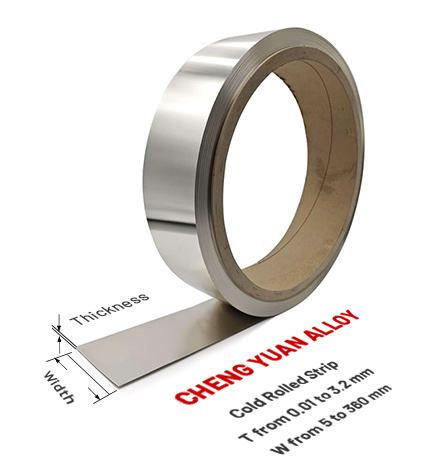
Once the pure nickel is obtained, it is subjected to cold rolling. This process involves passing the nickel through rollers at room temperature to reduce its thickness and enhance its mechanical properties. Cold rolling improves the surface finish and dimensional accuracy of the sheets.
Annealing
After cold rolling, the sheets undergo annealing, a heat treatment that relieves internal stresses and improves ductility. This step is crucial for ensuring that the sheets can be easily worked into various forms without losing their structural integrity.
Surface Treatment
Finally, the pure nickel sheets may receive surface treatments to enhance properties such as corrosion resistance and finish. These treatments can include electroplating or passivation, depending on the intended application.
4. Applications of Pure Nickel Sheets in High-Temperature Environments
Pure nickel sheets find extensive use across a range of high-temperature applications due to their superior properties. Some prominent applications include:
Aerospace Components
In the aerospace industry, pure nickel sheets are utilized in the production of engine components, heat shields, and other critical parts that must endure extreme temperatures and pressures. Their strength and resistance to heat degradation make them ideal for this sector.
Electrical Contacts and Connectors
Due to their excellent conductivity and resistance to oxidation, pure nickel sheets are often used in electrical contacts and connectors. These components are essential in electronics where reliability and performance are crucial, especially in high-temperature environments.
Marine Applications
The marine industry benefits from the corrosion resistance of pure nickel sheets, which are used in various applications such as shipbuilding and offshore oil rigs. Their ability to withstand harsh marine conditions ensures longevity and reduces maintenance costs.
Chemical Processing Equipment
Chemical processing often involves harsh chemicals and elevated temperatures. Pure nickel sheets are employed in heat exchangers, reactors, and other equipment due to their resistance to corrosion and ability to maintain structural integrity under extreme conditions.
5. Advantages of Using Pure Nickel Sheets
The advantages of pure nickel sheets extend beyond their basic properties, offering a range of benefits that enhance their appeal in high-temperature applications.
Durability
With their exceptional strength and corrosion resistance, pure nickel sheets offer remarkable durability, reducing the need for frequent replacements and maintenance. This longevity translates to cost savings in industrial applications.
Thermal Stability
Pure nickel maintains its mechanical properties even at elevated temperatures, ensuring that components remain functional in high-heat environments. This thermal stability is critical for applications where reliability is non-negotiable.
Versatility
The malleability of pure nickel allows for various fabrication techniques, making it suitable for diverse applications. From aerospace to electronics, the adaptability of pure nickel sheets is a significant advantage.
Eco-Friendly Option
As nickel is a recyclable material, using pure nickel sheets contributes to sustainable practices in manufacturing. This eco-friendly aspect aligns with modern industrial demands for sustainability.
6. Comparing Pure Nickel with Other Materials
When selecting materials for high-temperature applications, it is essential to compare pure nickel sheets with alternatives.
Versus Stainless Steel
While stainless steel offers corrosion resistance, pure nickel outperforms it in high-temperature stability and malleability. Pure nickel sheets are often preferred for extreme conditions where stainless steel may fail.
Versus Titanium
Titanium is known for its strength-to-weight ratio, but it is often more expensive than pure nickel. In applications where cost is a concern, pure nickel sheets provide a more economical solution without compromising performance.
Versus Aluminum
Aluminum is lightweight and offers good conductivity, but it lacks the high-temperature performance of pure nickel. For applications requiring strength and durability in heat, pure nickel is the superior choice.
7. Frequently Asked Questions
What are the main uses of pure nickel sheets?
Pure nickel sheets are primarily used in aerospace, electrical contacts, marine applications, and chemical processing equipment due to their high strength, corrosion resistance, and ability to withstand high temperatures.
How do you maintain pure nickel sheets?
Maintaining pure nickel sheets involves regular cleaning to prevent corrosion. Avoid using harsh chemicals that could harm the material, and ensure that any protective coatings are intact.
Can pure nickel sheets be welded?
Yes, pure nickel sheets can be welded using various techniques such as TIG and MIG welding. Proper precautions should be taken to avoid contamination during the welding process.
Are pure nickel sheets cost-effective?
While the initial cost of pure nickel sheets may be higher compared to some alternatives, their durability and performance in high-temperature applications make them a cost-effective choice in the long run.
What thicknesses are available for pure nickel sheets?
Pure nickel sheets are available in various thicknesses, typically ranging from 0.1mm to several millimeters, depending on the specific requirements of the application.
8. Conclusion
In conclusion, pure nickel sheets represent a vital material in high-temperature applications across multiple industries. Their unique properties, such as corrosion resistance, high melting point, and mechanical strength, make them indispensable in environments where reliability is critical. By understanding their manufacturing processes, applications, and advantages, stakeholders can make informed decisions about implementing pure nickel sheets in their operations. As industries continue to evolve, the demand for high-performance materials like pure nickel will undoubtedly grow, reinforcing its status as the backbone of high-temperature applications.
SEO:

Cheng Yuan
Alloy Material
We look forward to working with you to jointly promote the development of China's alloy material industry.
Telephone
Email us
For more information, please leave your message below.