

Understanding Heating Alloy Wire: Key Insights for Metallurgy and Energy Professionals
Release time:
2026-09-11
Heating alloy wire is an essential component in various applications across the metallurgy and energy industries. This specialized wire, typically composed of nickel and other alloying elements, is designed to withstand high temperatures and provide excellent electrical resistance. For professionals in the metallurgy sector, understanding heating alloy wire can enhance product quality and operatio
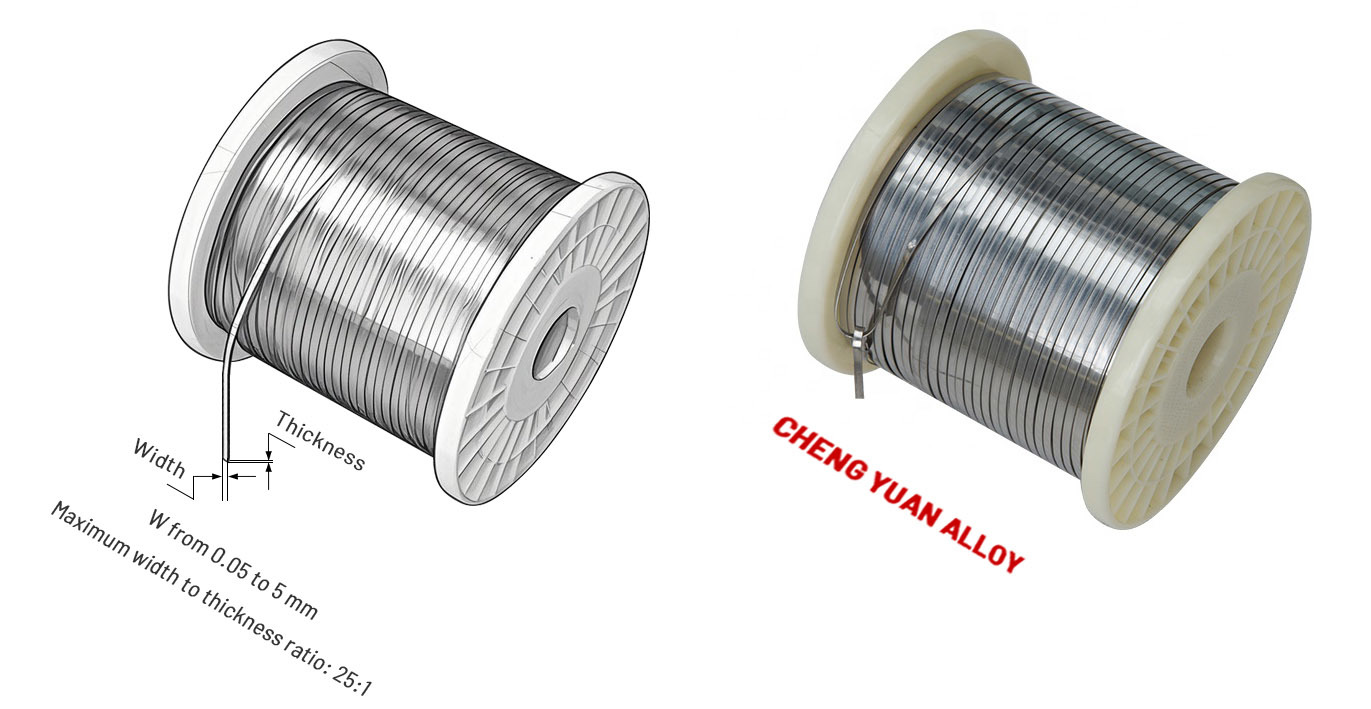
One of the key characteristics of heating alloy wire is its ability to maintain mechanical strength at elevated temperatures. Nickel alloys, in particular, are known for their excellent corrosion resistance and oxidation stability, making them ideal for use in extreme environments such as furnaces, kilns, and industrial heaters. This property not only ensures a longer lifespan for the wire but also reduces the frequency of replacements, ultimately leading to cost savings for manufacturers.
Another important aspect of heating alloy wire is its thermal stability. Different compositions of nickel alloys can be tailored to meet specific temperature requirements, allowing for greater flexibility in application. For instance, certain alloy wires can perform efficiently even at temperatures exceeding 1,200 degrees Fahrenheit. This characteristic is particularly beneficial in industries such as aerospace and automotive, where components must endure rigorous thermal cycling and stress.
When selecting heating alloy wire, it is crucial to consider factors such as the wire's resistance to thermal fatigue and its ability to dissipate heat efficiently. A wire that can effectively transfer heat not only improves energy efficiency but also enhances the performance of the overall system. Moreover, understanding the specific requirements of your application—be it heating elements, resistance welding, or other uses—will enable you to choose the most suitable heating alloy wire for your needs.
The manufacturing process of heating alloy wire also plays a vital role in its performance. Quality control measures must be in place to ensure consistency in alloy composition and wire dimensions. Advances in metallurgy have allowed for the development of wires with superior properties, providing an edge in competitive markets. Therefore, staying informed about the latest developments in heating alloy wire technology will empower professionals to make better-informed decisions for their projects.
In conclusion, heating alloy wire, particularly those made from nickel alloys, represents a critical material for various high-temperature applications in metallurgy and energy sectors. By understanding its properties, advantages, and the factors influencing its selection, professionals can leverage this knowledge to enhance operational efficiency and product quality in their respective industries.
SEO:
Related News

Cheng Yuan
Alloy Material
We look forward to working with you to jointly promote the development of China's alloy material industry.
Telephone
Email us
For more information, please leave your message below.