

Pure Nickel Sheets vs. Stainless Steel: Which Material Reigns Supreme?
Release time:
2026-07-12
Pure Nickel Sheets vs. Stainless Steel: Which Material Reigns Supreme? Table of Contents 1. Introduction to Pure Nickel and Stainless Steel 2. Key Properties of Pure Nickel Sheets 3. Key Properties of Stainless Steel 4. Advantages of Using Pure Nickel Sheets 5. Advantages of Using Stainless Steel 6. Common Applications of Pure Nickel 7. Common Applications of Stainless
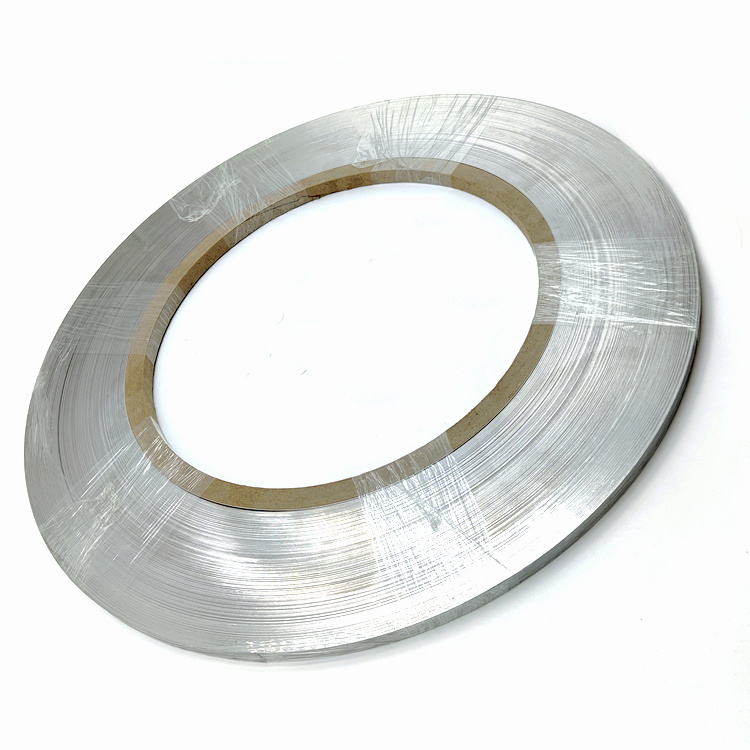
Pure Nickel Sheets vs. Stainless Steel: Which Material Reigns Supreme?
Table of Contents
- 1. Introduction to Pure Nickel and Stainless Steel
- 2. Key Properties of Pure Nickel Sheets
- 3. Key Properties of Stainless Steel
- 4. Advantages of Using Pure Nickel Sheets
- 5. Advantages of Using Stainless Steel
- 6. Common Applications of Pure Nickel
- 7. Common Applications of Stainless Steel
- 8. Cost Comparison: Pure Nickel vs. Stainless Steel
- 9. Conclusion: Which Material Should You Choose?
- 10. Frequently Asked Questions
1. Introduction to Pure Nickel and Stainless Steel
When it comes to selecting materials for various industrial applications, **pure nickel sheets** and **stainless steel** often come into play. Both materials possess unique characteristics that make them suitable for different purposes. Understanding their properties, advantages, and applications is crucial for making the right choice. This article aims to dissect these two metals, helping you determine which one is the better option for your specific needs.
2. Key Properties of Pure Nickel Sheets
**Pure nickel** is a corrosion-resistant metal known for its excellent thermal and electrical conductivity. Here are some of its key properties:
Corrosion Resistance
One of the standout traits of pure nickel is its remarkable resistance to corrosion, particularly in alkaline environments. This property makes it ideal for use in chemical processing and marine applications.
Thermal and Electrical Conductivity
Pure nickel exhibits high thermal and electrical conductivity, making it a preferred choice for electrical connectors, battery components, and heat exchangers.
Ductility and Malleability
To add to its versatility, pure nickel is both ductile and malleable, allowing for easy shaping and forming without compromising its integrity.
Magnetic Properties
Pure nickel possesses ferromagnetic properties, which can be beneficial in applications requiring magnetism.
3. Key Properties of Stainless Steel
Stainless steel is an alloy primarily composed of iron, carbon, and chromium. Its unique properties include:
Corrosion Resistance
The presence of chromium in stainless steel provides excellent corrosion resistance, making it suitable for a variety of environments, including food processing and pharmaceutical industries.
Strength and Durability
Stainless steel is known for its high strength-to-weight ratio, which translates into durability and longevity, even in harsh conditions.
Low Maintenance
Another advantage of stainless steel is its low maintenance requirement. It does not rust easily and can be cleaned easily, making it ideal for consumer goods and industrial applications alike.
Variety of Alloys
Stainless steel comes in various grades and alloys, allowing for customization based on specific applications. This versatility can cater to a wide range of needs.
4. Advantages of Using Pure Nickel Sheets
Choosing pure nickel sheets for your projects offers several advantages:
Exceptional Corrosion Resistance
As mentioned, pure nickel excels in resisting corrosion, particularly in caustic environments, ensuring longevity in demanding applications.
High Thermal Stability
The ability to withstand high temperatures makes pure nickel suitable for applications in aerospace and automotive sectors.
Good Workability
Pure nickel's malleability allows it to be easily fabricated into various shapes, seamlessly fitting into different designs.
Non-magnetic Option
Given its unique properties, pure nickel can serve as a non-magnetic alternative in applications where magnetism is a concern.
5. Advantages of Using Stainless Steel
Stainless steel also presents a range of benefits:
Cost-Effectiveness
While the initial cost may be higher than other metals, stainless steel often proves to be more cost-effective in the long run due to its durability and low maintenance requirements.
Versatility
The variety of stainless steel alloys makes it adaptable for various applications, from kitchenware to industrial machinery.
Aesthetic Appeal
Stainless steel has a modern and sleek appearance, making it suitable for architectural and design-focused applications.
Resistance to Heat and Fire
Stainless steel's ability to withstand high temperatures and resist oxidation is essential in industries like automotive and aerospace.
6. Common Applications of Pure Nickel
Pure nickel finds its place in various industries, including:
Aerospace Components
Due to its thermal stability, pure nickel is frequently used in aircraft parts that must endure extreme conditions.
Electrical Conductors
The excellent conductivity of pure nickel makes it a preferred choice for electrical connectors and components.
Chemical Processing Equipment
In environments exposed to corrosive chemicals, pure nickel ensures the longevity and reliability of equipment.
Marine Applications
The corrosion resistance of pure nickel makes it suitable for components in marine applications, such as shipbuilding.
7. Common Applications of Stainless Steel
Stainless steel is widely used across multiple sectors, including:
Food and Beverage Processing
Stainless steel's corrosion resistance and easy cleaning make it ideal for food processing equipment, ensuring hygienic conditions.
Medical Equipment
Its non-reactive properties allow stainless steel to be used for surgical instruments and other medical devices.
Construction
Stainless steel is commonly employed in architectural structures, railings, and other construction materials due to its strength and aesthetics.
Automotive Industry
The durability and heat resistance of stainless steel make it suitable for exhaust systems and engine components.
8. Cost Comparison: Pure Nickel vs. Stainless Steel
When considering which material to choose, cost is often a significant factor. Pure nickel tends to be more expensive than stainless steel due to its limited supply and specialized applications. However, when evaluating the overall cost, including maintenance and longevity, stainless steel often proves to be more economical in the long term.
Initial Costs
Pure nickel sheets can be up to three times more expensive than standard stainless steel sheets. However, depending on your project requirements, the advantages may justify the cost.
Longevity and Maintenance Costs
Although stainless steel may be less expensive initially, its susceptibility to scratching and denting may lead to higher replacement or repair costs over time. Pure nickel, with its exceptional durability, often translates to lower maintenance expenses.
9. Conclusion: Which Material Should You Choose?
In summary, both **pure nickel sheets** and **stainless steel** offer unique advantages that cater to specific applications. Pure nickel excels in corrosive environments and applications requiring high conductivity, while stainless steel is known for its versatility, cost-effectiveness, and aesthetic appeal. The choice between these materials ultimately depends on your project requirements, budget, and long-term needs.
10. Frequently Asked Questions
1. Is pure nickel more expensive than stainless steel?
Yes, pure nickel typically costs significantly more than stainless steel due to its limited availability and specialized applications.
2. Can stainless steel rust?
While stainless steel is highly resistant to rusting, it can corrode under certain conditions, especially if it is scratched or damaged.
3. How do pure nickel sheets and stainless steel compare in terms of electrical conductivity?
Pure nickel offers better electrical conductivity compared to stainless steel, making it ideal for electrical applications.
4. What industries commonly use pure nickel sheets?
Industries such as aerospace, chemical processing, and marine applications frequently utilize pure nickel sheets.
5. How do I choose between pure nickel and stainless steel for my project?
Consider factors such as your budget, application requirements, and the environmental conditions the material will face to make an informed decision.
This article serves as a comprehensive guide to understanding the differences between pure nickel sheets and stainless steel, enabling you to make a well-informed choice tailored to your specific needs.
SEO:

Cheng Yuan
Alloy Material
We look forward to working with you to jointly promote the development of China's alloy material industry.
Telephone
Email us
For more information, please leave your message below.