

Why Pure Nickel Sheets Are Vital for Semiconductor Applications
Release time:
2026-07-30
Why Pure Nickel Sheets Are Vital for Semiconductor Applications Table of Contents 1. Introduction to Pure Nickel Sheets 2. Unique Properties of Pure Nickel 3. The Role of Pure Nickel Sheets in Semiconductors 4. Key Benefits of Using Pure Nickel Sheets 5. Manufacturing Processes for Pure Nickel Sheets 6. Applications of Pure Nickel in Semiconductor Technology 7. Future Trends in Nick
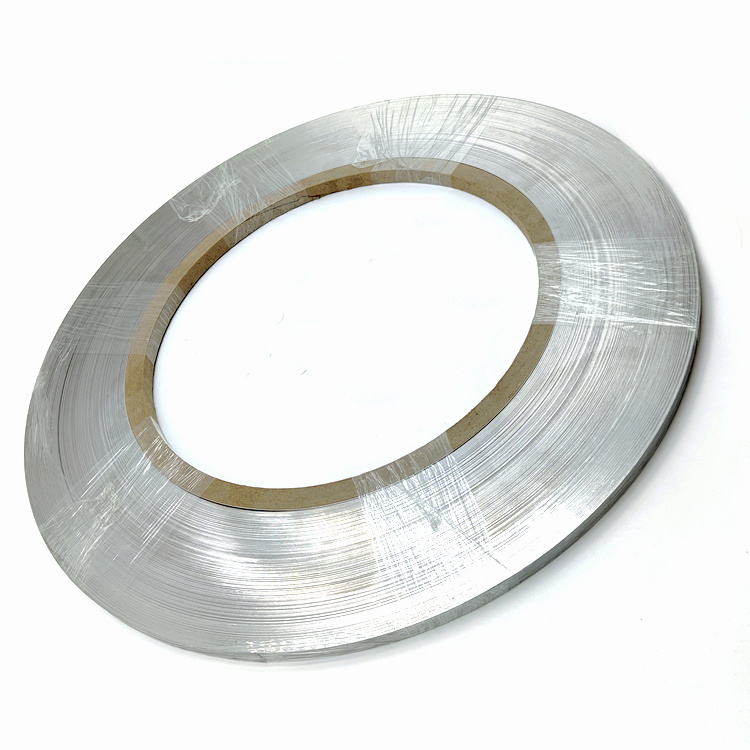
Why Pure Nickel Sheets Are Vital for Semiconductor Applications
Table of Contents
- 1. Introduction to Pure Nickel Sheets
- 2. Unique Properties of Pure Nickel
- 3. The Role of Pure Nickel Sheets in Semiconductors
- 4. Key Benefits of Using Pure Nickel Sheets
- 5. Manufacturing Processes for Pure Nickel Sheets
- 6. Applications of Pure Nickel in Semiconductor Technology
- 7. Future Trends in Nickel Use for Semiconductors
- 8. Conclusion
- 9. Frequently Asked Questions
1. Introduction to Pure Nickel Sheets
Pure nickel sheets are essential materials in the semiconductor industry, known for their superior electrical conductivity, corrosion resistance, and thermal stability. As the demand for smaller, faster, and more efficient electronic devices grows, the reliance on high-quality materials like pure nickel becomes increasingly important. In this article, we will explore the various properties, benefits, and applications of pure nickel sheets within the semiconductor sector.
2. Unique Properties of Pure Nickel
Pure nickel's unique properties make it an ideal choice for semiconductor applications. Here are some of the key characteristics:
2.1 Exceptional Electrical Conductivity
Pure nickel exhibits excellent electrical conductivity, which is crucial for efficient electronic performance. This property allows for lower resistance in circuits, ultimately enhancing the overall performance of semiconductor devices.
2.2 Corrosion Resistance
One of the most significant advantages of pure nickel is its outstanding corrosion resistance. This characteristic ensures that nickel sheets maintain their integrity and performance over time, even in harsh environments.
2.3 High Melting Point
With a melting point of 1455°C (2651°F), pure nickel can withstand high temperatures without degrading. This property is essential in semiconductor applications, where components often experience significant thermal fluctuations.
2.4 Ductility and Malleability
Pure nickel is both ductile and malleable, allowing for easy shaping and forming into desired configurations, making it suitable for various applications in semiconductor manufacturing.
3. The Role of Pure Nickel Sheets in Semiconductors
Pure nickel sheets play several crucial roles in semiconductor manufacturing and functionality:
3.1 Electrical Connectors
In semiconductor devices, pure nickel sheets are often used as electrical connectors, facilitating efficient signal transmission between components.
3.2 Heat Sinks
Due to their high thermal conductivity, pure nickel sheets can act as heat sinks, effectively dissipating heat generated by electronic components, helping to maintain optimal operating temperatures.
3.3 Barrier Layers
Pure nickel is commonly utilized as a barrier layer in multilayer semiconductor structures. This function helps control diffusion between layers, ensuring device stability and performance.
4. Key Benefits of Using Pure Nickel Sheets
The use of pure nickel sheets in semiconductor applications offers several notable benefits:
4.1 Enhanced Performance
The electrical properties of pure nickel contribute to enhanced performance in various semiconductor devices, ensuring efficient operations and reliable performance.
4.2 Longevity and Durability
With their corrosion resistance and high melting points, pure nickel sheets ensure that semiconductor devices have a longer lifespan, reducing the necessity for replacements and repairs.
4.3 Cost-Effectiveness
While nickel may seem more expensive than other materials, its durability and efficiency can lead to cost savings in the long run by reducing maintenance and replacement costs.
5. Manufacturing Processes for Pure Nickel Sheets
The production of pure nickel sheets involves several key manufacturing processes:
5.1 Extraction and Purification
Nickel is primarily extracted from ores through smelting and refining processes. The purification of nickel involves removing impurities to achieve the desired purity level.
5.2 Rolling and Forming
Once purified, nickel is rolled into sheets through a series of mechanical processes that involve heating and applying pressure to achieve the desired thickness and dimensions.
5.3 Surface Treatment
To enhance properties such as corrosion resistance, surface treatments like electroplating or passivation can be applied to pure nickel sheets.
6. Applications of Pure Nickel in Semiconductor Technology
The versatility of pure nickel sheets allows for a wide range of applications within the semiconductor industry:
6.1 Integrated Circuits
Pure nickel plays a vital role in the manufacturing of integrated circuits, which form the backbone of modern electronic devices.
6.2 Power Devices
In power semiconductor devices, pure nickel sheets are used to improve performance and efficiency, particularly in applications demanding high reliability.
6.3 RF Devices
Radio frequency (RF) devices benefit from the excellent conductivity and thermal properties of pure nickel, making it an ideal choice for components used in telecommunications.
7. Future Trends in Nickel Use for Semiconductors
As technology continues to evolve, the role of pure nickel in semiconductor applications is expected to grow. Here are some future trends to watch:
7.1 Increased Demand for Miniaturization
With the industry's push towards smaller, more compact devices, the demand for pure nickel sheets is likely to increase, as their properties support miniaturization without compromising performance.
7.2 Innovations in Nickel Alloys
Research and development in nickel alloys may lead to new materials that combine the best properties of nickel with other elements, further enhancing performance in semiconductor applications.
7.3 Sustainable Practices
As industries shift towards sustainable practices, the extraction and production of pure nickel will need to adapt, focusing on eco-friendly methods to minimize environmental impact.
8. Conclusion
In conclusion, pure nickel sheets are vital components in the semiconductor industry, providing essential properties that enhance the efficiency, durability, and performance of electronic devices. As technology continues to advance, the importance of pure nickel is set to grow, paving the way for innovations and improvements that will shape the future of electronics.
9. Frequently Asked Questions
What is pure nickel used for in semiconductor applications?
Pure nickel is used primarily for electrical connectors, heat sinks, and barrier layers in semiconductor devices due to its excellent electrical conductivity and thermal properties.
Why is nickel preferred over other metals for semiconductors?
Nickel is preferred due to its high electrical conductivity, corrosion resistance, and ability to withstand high temperatures, making it ideal for various semiconductor applications.
How does the manufacturing process of pure nickel sheets affect their quality?
The manufacturing process, including extraction, purification, and rolling, significantly impacts the quality of pure nickel sheets, influencing their performance in semiconductor applications.
What are the environmental impacts of nickel extraction?
Nickel extraction can have environmental impacts, including habitat disruption and pollution. However, efforts are underway to adopt more sustainable practices in nickel mining and processing.
What future developments can we expect for pure nickel in the semiconductor industry?
Anticipated developments include greater demand for miniaturization, innovations in nickel alloys, and a shift towards sustainable extraction and production methods to meet growing industry needs.
SEO:

Cheng Yuan
Alloy Material
We look forward to working with you to jointly promote the development of China's alloy material industry.
Telephone
Email us
For more information, please leave your message below.