

Understanding Heating Alloy Wire: Key Insights for Metallurgy and Energy Industries
Release time:
2026-09-23
Heating alloy wire plays a crucial role across various industries, particularly in metallurgy and energy sectors. These wires are primarily designed to withstand high temperatures while providing reliable performance in diverse applications. Understanding the properties and benefits of heating alloy wire, especially those made from nickel alloys, can provide valuable insights for professionals in
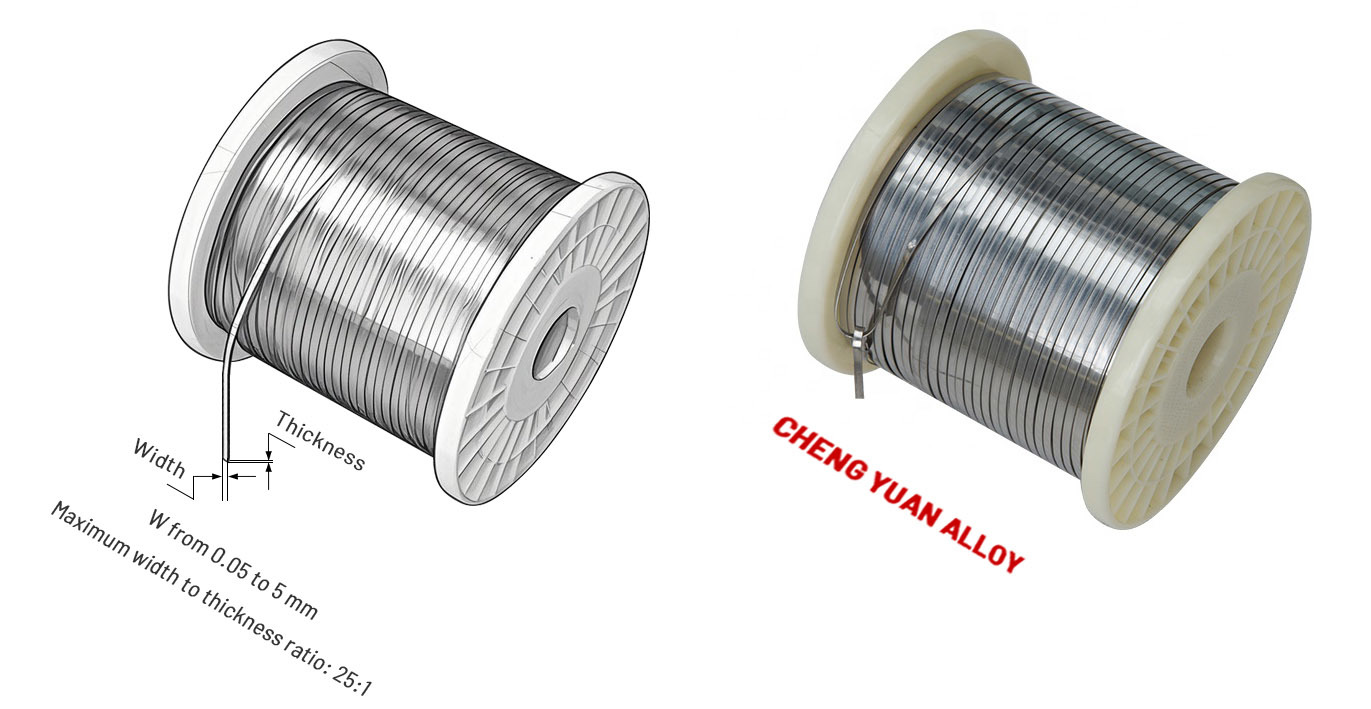
Heating alloy wire plays a crucial role across various industries, particularly in metallurgy and energy sectors. These wires are primarily designed to withstand high temperatures while providing reliable performance in diverse applications. Understanding the properties and benefits of heating alloy wire, especially those made from nickel alloys, can provide valuable insights for professionals in these fields.
Heating alloy wires are typically composed of a combination of metals, with nickel being a prominent component due to its excellent resistance to oxidation and corrosion. Nickel alloys are known for their outstanding mechanical strength at elevated temperatures, which makes them suitable for applications requiring durability and reliability. Key types of heating alloy wire include nickel-chromium and nickel-iron alloys, both of which exhibit unique attributes catering to specific operational needs.
One of the primary applications of heating alloy wire is in electric heating elements. These elements are essential for various heating devices, ranging from industrial furnaces to household appliances. The ability of nickel alloys to perform efficiently at high temperatures allows for consistent heat generation, contributing to the overall efficiency of heating systems. Additionally, the thermal stability of these materials ensures longevity and reduced maintenance costs—an aspect that is particularly important in industrial settings.
Another significant application of heating alloy wire is in the aerospace and automotive industries, where components are subject to extreme conditions. The thermal resistance and mechanical properties of nickel alloys make them ideal for use in turbine engines and exhaust systems. The lightweight nature of these materials also contributes to improved fuel efficiency, making them an attractive choice for manufacturers aiming to enhance performance while minimizing weight.
Furthermore, heating alloy wires are utilized in resistance welding, a process widely used in the fabrication of metal components. The precise control over temperature and resistance during welding ensures strong bonds between different materials, which is crucial for the integrity and performance of the final product.
When selecting heating alloy wire for specific applications, it is essential to consider factors such as temperature range, electrical resistance, and the environment in which the wire will be used. Conducting a thorough analysis of these parameters will help in choosing the most suitable wire, ultimately enhancing the performance of the intended application.
In conclusion, heating alloy wire, particularly those made from nickel alloys, plays an indispensable role in the metallurgy and energy industries. Its unique properties make it an ideal choice for high-temperature applications, ensuring efficiency, durability, and cost-effectiveness. By understanding the various aspects of heating alloy wire, professionals can make informed decisions that will contribute to the success of their projects and initiatives.
Heating alloy wires are typically composed of a combination of metals, with nickel being a prominent component due to its excellent resistance to oxidation and corrosion. Nickel alloys are known for their outstanding mechanical strength at elevated temperatures, which makes them suitable for applications requiring durability and reliability. Key types of heating alloy wire include nickel-chromium and nickel-iron alloys, both of which exhibit unique attributes catering to specific operational needs.
One of the primary applications of heating alloy wire is in electric heating elements. These elements are essential for various heating devices, ranging from industrial furnaces to household appliances. The ability of nickel alloys to perform efficiently at high temperatures allows for consistent heat generation, contributing to the overall efficiency of heating systems. Additionally, the thermal stability of these materials ensures longevity and reduced maintenance costs—an aspect that is particularly important in industrial settings.
Another significant application of heating alloy wire is in the aerospace and automotive industries, where components are subject to extreme conditions. The thermal resistance and mechanical properties of nickel alloys make them ideal for use in turbine engines and exhaust systems. The lightweight nature of these materials also contributes to improved fuel efficiency, making them an attractive choice for manufacturers aiming to enhance performance while minimizing weight.
Furthermore, heating alloy wires are utilized in resistance welding, a process widely used in the fabrication of metal components. The precise control over temperature and resistance during welding ensures strong bonds between different materials, which is crucial for the integrity and performance of the final product.
When selecting heating alloy wire for specific applications, it is essential to consider factors such as temperature range, electrical resistance, and the environment in which the wire will be used. Conducting a thorough analysis of these parameters will help in choosing the most suitable wire, ultimately enhancing the performance of the intended application.
In conclusion, heating alloy wire, particularly those made from nickel alloys, plays an indispensable role in the metallurgy and energy industries. Its unique properties make it an ideal choice for high-temperature applications, ensuring efficiency, durability, and cost-effectiveness. By understanding the various aspects of heating alloy wire, professionals can make informed decisions that will contribute to the success of their projects and initiatives.
SEO:

Cheng Yuan
Alloy Material
We look forward to working with you to jointly promote the development of China's alloy material industry.
Telephone
Email us
For more information, please leave your message below.