

The Essential Guide to Heating Alloy Wire: Applications, Benefits, and Considerations
Release time:
2026-10-05
Heating alloy wire is a vital component in numerous applications across industries, particularly in metallurgy and energy. Often made from nickel alloys, these wires are designed to withstand high temperatures while maintaining their mechanical and electrical properties. Understanding the intricacies of heating alloy wire is essential for industries that rely on durability and efficiency in their
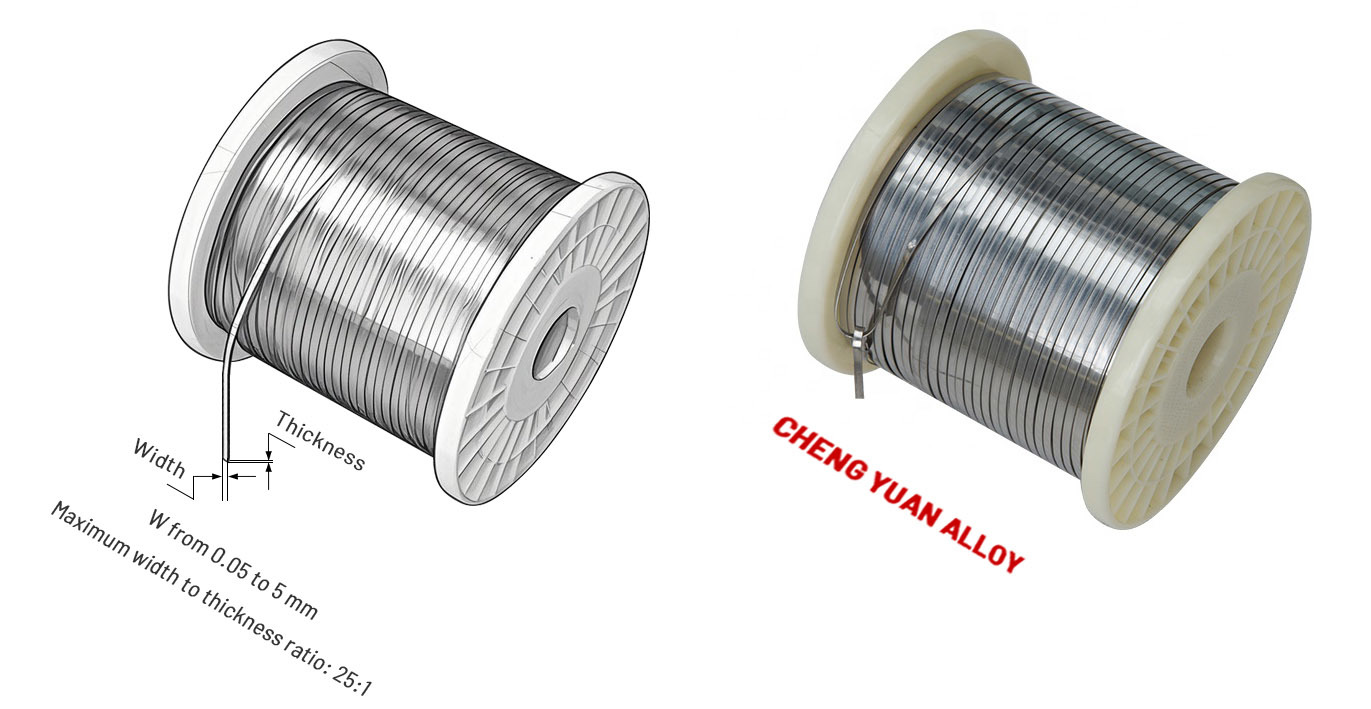
One of the primary characteristics of heating alloy wire is its ability to resist oxidation and corrosion at elevated temperatures. Nickel alloys, such as Inconel and nickel-chromium, are commonly used due to their excellent thermal stability and resistance to oxidation. This makes them suitable for applications where reliability is paramount, such as in electric heating elements, aerospace components, and industrial furnaces.
In terms of application, heating alloy wire is utilized in various settings, from manufacturing processes to domestic heating solutions. In industrial furnaces, it is used to produce heat for melting metals or for heat treatment processes. The wire can be configured in various forms, including coils and ribbons, to suit specific heating requirements. In the aerospace sector, heating alloy wires are essential in components that require precise temperature control and stability under extreme conditions.
Another significant advantage of using heating alloy wire is its efficiency. These wires can provide consistent and uniform heating, which is crucial in applications like welding, where temperature control can affect the quality of the final product. Moreover, the longevity of heating alloy wires reduces the need for frequent replacements, thus lowering overall operational costs and downtime.
However, selecting the right heating alloy wire requires careful consideration of several factors. Users must assess the operational temperature ranges, environmental conditions, and specific application requirements. For instance, the choice between different nickel alloys may depend on the corrosive nature of the environment in which the wire will be used. Additionally, understanding the electrical resistance and thermal conductivity of the wire can help in optimizing heating performance.
In conclusion, heating alloy wire, particularly those made from nickel alloys, plays a crucial role in various sectors requiring high-temperature applications. Its unique properties provide durability, efficiency, and resistance to harsh conditions. By understanding the characteristics and applications of this essential material, industries can make informed decisions that enhance their operational effectiveness and product quality. As technology advances, the development of new alloys and improved wire manufacturing processes will continue to expand the possibilities for heating alloy wire in the future.
SEO:
Related News

Cheng Yuan
Alloy Material
We look forward to working with you to jointly promote the development of China's alloy material industry.
Telephone
Email us
For more information, please leave your message below.