

Understanding Heating Alloy Wire: Essential Insights for Metallurgy Professionals
Release time:
2026-11-22
Heating alloy wire plays a pivotal role in various industrial applications, especially in sectors that require high-temperature resistance and durability. For professionals in the metallurgy and energy sectors, especially those working with nickel alloys, understanding the properties and benefits of heating alloy wire is essential for optimizing performance and ensuring reliability in their operat
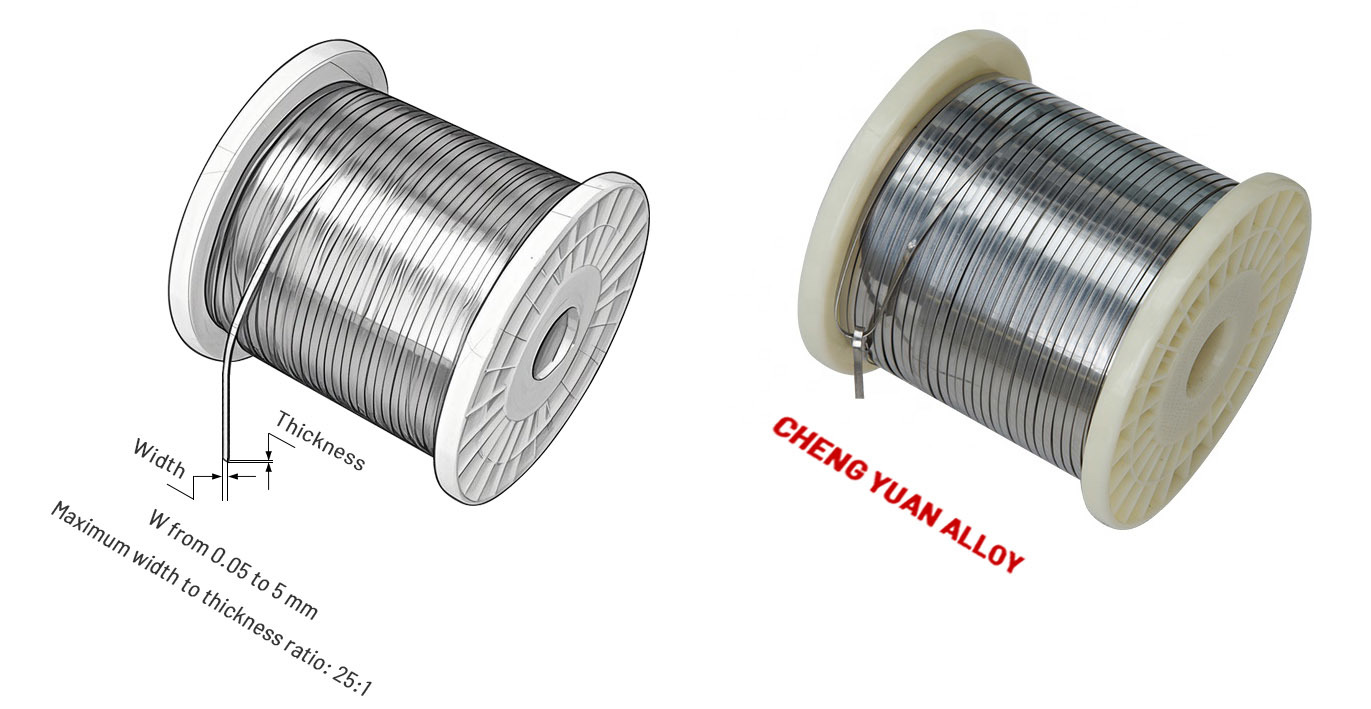
Heating alloy wire plays a pivotal role in various industrial applications, especially in sectors that require high-temperature resistance and durability. For professionals in the metallurgy and energy sectors, especially those working with nickel alloys, understanding the properties and benefits of heating alloy wire is essential for optimizing performance and ensuring reliability in their operations.
One of the primary characteristics of heating alloy wire is its ability to withstand high temperatures without degrading. Materials such as nickel-chromium and nickel-iron alloys are commonly employed in manufacturing heating elements due to their excellent oxidation resistance and electrical conductivity. These alloys can maintain their mechanical properties even under extreme thermal conditions, making them ideal for applications such as industrial furnaces, heating appliances, and automotive components.
When selecting heating alloy wire, it is crucial to consider the specific application requirements, including the maximum operating temperature and the environment in which the wire will be used. For instance, nickel-chromium alloys, known for their high resistance to oxidation, are suitable for applications where the heating element is exposed to air. On the other hand, nickel-iron alloys are better suited for use in vacuum or inert environments due to their lower oxidation rates.
Additionally, professionals should pay attention to the wire's diameter and configuration, as these factors significantly influence the heating efficiency and uniformity. Smaller diameter wires typically have higher resistance, resulting in more focused heating, while larger wires can distribute heat over a broader area. Understanding these nuances can lead to better design choices and improved energy efficiency.
Furthermore, the manufacturing process of heating alloy wire also impacts its performance. Techniques such as cold drawing and annealing can enhance the wire's mechanical properties and electrical conductivity. Metallurgy professionals should be aware of these processes to ensure they are sourcing high-quality materials that meet their specifications.
In conclusion, heating alloy wire is a critical component in numerous industrial applications, particularly in metallurgy and energy sectors involving nickel alloys. By understanding the material properties, selecting the appropriate alloys, and considering manufacturing processes, professionals can ensure they are making informed decisions that enhance performance and efficiency in their operations. Staying updated on advancements in heating alloy technology will further empower professionals to innovate and improve their applications.
SEO:

Cheng Yuan
Alloy Material
We look forward to working with you to jointly promote the development of China's alloy material industry.
Telephone
Email us
For more information, please leave your message below.