

The Essential Guide to Heating Alloy Wire in Nickel Alloy Applications
Release time:
2026-07-13
Heating alloy wire is a crucial component in many industries, particularly in metallurgy and energy, where its unique properties are leveraged for various applications. Primarily composed of nickel and other alloys, heating alloy wire is designed to withstand high temperatures while maintaining its structural integrity. This makes it an ideal choice for applications involving heating elements, the
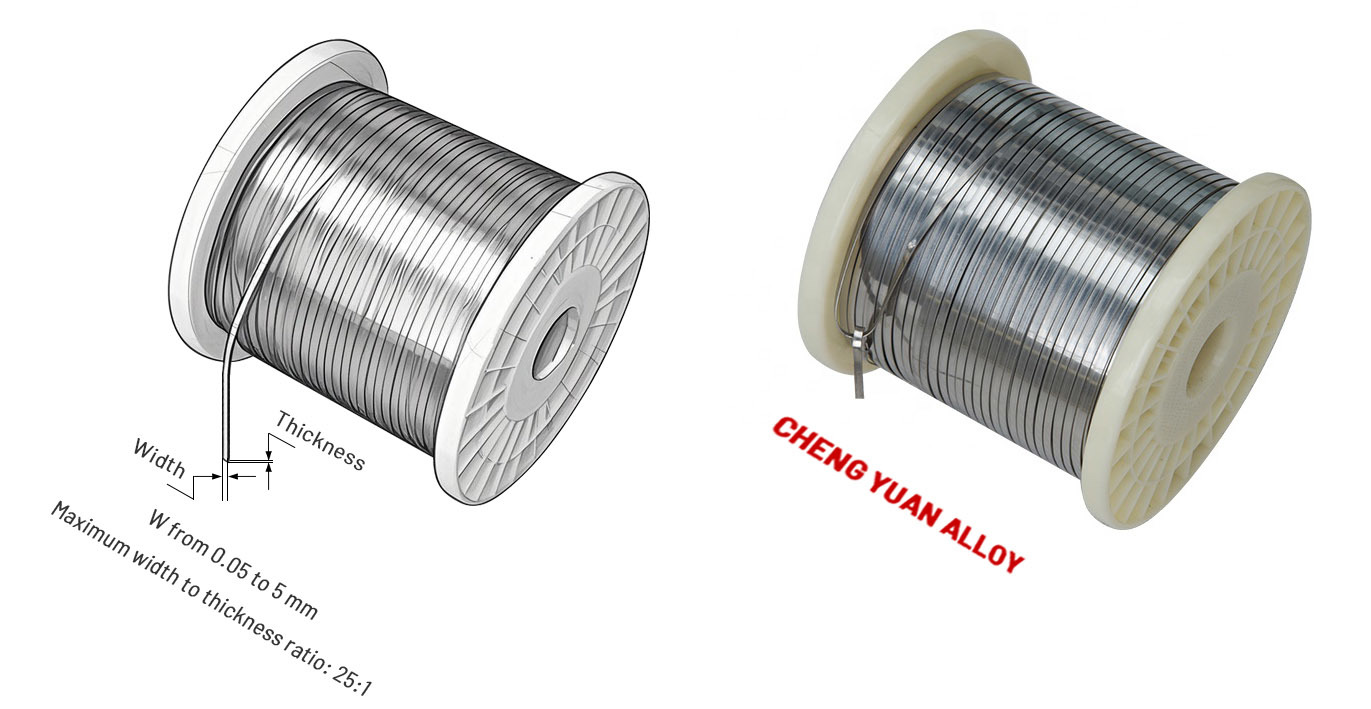
Heating alloy wire is a crucial component in many industries, particularly in metallurgy and energy, where its unique properties are leveraged for various applications. Primarily composed of nickel and other alloys, heating alloy wire is designed to withstand high temperatures while maintaining its structural integrity. This makes it an ideal choice for applications involving heating elements, thermocouples, and resistance wires.
One of the most significant advantages of heating alloy wire is its ability to operate at elevated temperatures. Nickel alloys, such as Inconel and Nichrome, are known for their excellent oxidation resistance and thermal stability. This characteristic enables them to perform efficiently in harsh environments, such as furnaces, kilns, and heating systems. When selecting heating alloy wire, it is essential to consider the maximum operating temperature. For instance, Nichrome can typically withstand temperatures up to 1,200 °C, making it suitable for various heating applications.
Another crucial aspect is the wire's resistance to corrosion and oxidation. Nickel alloys exhibit exceptional resistance to chemical reactions, which is vital in industries where exposure to corrosive substances is common. This durability extends the lifespan of heating elements and reduces the frequency of replacements, ultimately leading to cost savings and increased efficiency.
In addition to their thermal and chemical properties, heating alloy wires offer excellent electrical conductivity. This quality is particularly important in the manufacturing of resistance heating elements, where precise control of heat generation is required. The ability to customize the resistance by altering the dimensions and composition of the wire provides manufacturers with the flexibility needed to meet specific application demands.
When working with heating alloy wire, it is also essential to consider the fabrication process. The wire can be drawn into various diameters, allowing for versatility in its applications. Additionally, it can be easily formed into coils, loops, or other shapes, depending on the design requirements of the heating system.
In summary, heating alloy wire is an indispensable material in the nickel alloy sector, particularly within metallurgy and energy industries. Its high-temperature stability, corrosion resistance, and excellent electrical properties make it suitable for a wide array of applications. When selecting heating alloy wire, it's vital to consider the specific requirements of your application, including temperature limits, corrosion exposure, and electrical resistance. By understanding these factors, professionals can make informed decisions that enhance the performance and reliability of their heating systems.
One of the most significant advantages of heating alloy wire is its ability to operate at elevated temperatures. Nickel alloys, such as Inconel and Nichrome, are known for their excellent oxidation resistance and thermal stability. This characteristic enables them to perform efficiently in harsh environments, such as furnaces, kilns, and heating systems. When selecting heating alloy wire, it is essential to consider the maximum operating temperature. For instance, Nichrome can typically withstand temperatures up to 1,200 °C, making it suitable for various heating applications.
Another crucial aspect is the wire's resistance to corrosion and oxidation. Nickel alloys exhibit exceptional resistance to chemical reactions, which is vital in industries where exposure to corrosive substances is common. This durability extends the lifespan of heating elements and reduces the frequency of replacements, ultimately leading to cost savings and increased efficiency.
In addition to their thermal and chemical properties, heating alloy wires offer excellent electrical conductivity. This quality is particularly important in the manufacturing of resistance heating elements, where precise control of heat generation is required. The ability to customize the resistance by altering the dimensions and composition of the wire provides manufacturers with the flexibility needed to meet specific application demands.
When working with heating alloy wire, it is also essential to consider the fabrication process. The wire can be drawn into various diameters, allowing for versatility in its applications. Additionally, it can be easily formed into coils, loops, or other shapes, depending on the design requirements of the heating system.
In summary, heating alloy wire is an indispensable material in the nickel alloy sector, particularly within metallurgy and energy industries. Its high-temperature stability, corrosion resistance, and excellent electrical properties make it suitable for a wide array of applications. When selecting heating alloy wire, it's vital to consider the specific requirements of your application, including temperature limits, corrosion exposure, and electrical resistance. By understanding these factors, professionals can make informed decisions that enhance the performance and reliability of their heating systems.
SEO:

Cheng Yuan
Alloy Material
We look forward to working with you to jointly promote the development of China's alloy material industry.
Telephone
Email us
For more information, please leave your message below.